Navigating clothing sizes can be tricky! Brands vary, body shapes differ, and perceived sizes often drift from actual charts, creating confusion for shoppers today.
Why Size Guides Matter
Accurate sizing is paramount for a satisfying shopping experience, and size guides are the crucial first step. Without them, consumers risk purchasing ill-fitting garments, leading to returns, exchanges, and frustration. Size guides bridge the gap between standardized sizing expectations and the reality of varied manufacturing.
They empower shoppers to make informed decisions, reducing the likelihood of disappointment. Considering that sizing isn’t universal – even within a single brand – relying on a size guide tailored to a specific item is essential. Furthermore, recognizing individual body proportions is key; a guide helps identify the size that accommodates your largest measurement, even if others suggest a smaller size.
Ultimately, utilizing size guides saves time, money, and the hassle of repeated ordering, fostering confidence and a positive relationship with retailers.
The Variability of Sizing
Sizing inconsistencies are rampant in the fashion industry, a significant challenge for consumers. It’s not uncommon for sizes to fluctuate even within the same brand, let alone across different retailers. This stems from a lack of standardized manufacturing practices and varying design philosophies.
A garment’s cut and style heavily influence its fit; a relaxed-fit item will naturally require a different size than a tailored one. Moreover, individual body proportions play a crucial role. Someone with broader shoulders might need a larger size jacket, even if their waist and chest measurements fall into a smaller range.
Retailers sometimes intentionally manufacture clothing to align with perceived sizes, potentially deviating from their published size charts. This creates a disconnect and emphasizes the need for careful measurement and reliance on specific garment guides, rather than assuming a consistent size across all brands.
Understanding Body Measurements
Accurate self-measurement is key! Focus on bust, waist, hips, shoulder, and inseam – your largest measurement dictates the best fit for most clothing items.
Essential Measurements: Bust, Waist, and Hips
Bust measurement is crucial, especially for tops and dresses; measure around the fullest part of your chest, keeping the tape measure level. Waist measurement should be taken at your natural waistline – typically the narrowest part of your torso – ensuring the tape isn’t too tight or loose. For hip measurement, stand with your feet together and measure around the fullest part of your hips and buttocks, again keeping the tape level.
Remember, these three measurements are foundational for determining your size across many garment types. However, it’s vital to understand that relying solely on these can be misleading. If your measurements fall into different size ranges across these three areas, prioritize the largest measurement. This ensures a comfortable and flattering fit, even if it means adjusting other aspects of the garment. Don’t hesitate to consider how the garment’s style impacts which measurement is most important!
Shoulder and Inseam Measurements
Shoulder measurements are particularly important for jackets, coats, and fitted tops. Measure from the edge of one shoulder to the other, across the back. A proper shoulder fit prevents pulling or restriction of movement. Inseam measurement, vital for pants and jeans, is taken from the crotch to the hem. Accurate inseam ensures the correct length, avoiding bunching or being too short.
These measurements often get overlooked, but they significantly impact overall fit. Individuals with broader shoulders might need to size up in tops, even if their bust and waist measurements suggest a smaller size. Similarly, varying inseam lengths necessitate careful attention when purchasing bottoms. Remember, proportions differ; a garment fitting well in one area doesn’t guarantee a good fit overall. Consider these measurements alongside bust, waist, and hips for a truly tailored experience.
Taking Accurate Measurements

Accuracy is key! Use a flexible measuring tape, not a metal one. Stand naturally, don’t suck in your stomach or puff out your chest. It’s best to have someone else take your measurements for greater precision. For bust, measure around the fullest part of your chest, keeping the tape level. Waist measurement should be taken at your natural waistline – typically the narrowest part of your torso.
Hips are measured around the fullest part of your hips and bottom, again ensuring the tape is level. When measuring inseam, wear shoes similar to those you’d wear with the garment. Double-check all measurements, and consider taking them multiple times to ensure consistency. Don’t assume your size; measurements change over time. These steps will dramatically improve your chances of finding clothes that fit well and flatter your figure.
Brand-Specific Size Charts
Universal sizing is a myth! Each brand constructs its own scale, often deviating significantly from others, necessitating careful review of individual charts before purchasing.
The Problem with Universal Sizing
The concept of a “standard” size in clothing is fundamentally flawed. What constitutes a size 6 or a medium varies dramatically between manufacturers, retailers, and even different garments within the same brand. This inconsistency stems from a lack of industry-wide regulation and differing design philosophies.
Historically, sizing was based on average body measurements, but these averages have shifted over time, and brands haven’t always adjusted accordingly. Furthermore, some brands intentionally “vanity size,” labeling items as smaller than they actually are to appeal to consumers. This practice exacerbates the confusion and makes accurate size selection incredibly difficult.
The result is a frustrating experience for shoppers who find themselves needing to order multiple sizes or constantly returning items that don’t fit. Relying on a universal size expectation is a recipe for disappointment, highlighting the critical need to consult brand-specific charts.
How Size Charts Differ Between Brands
Brand size charts aren’t created equal; they reflect unique design aesthetics and target demographics. A brand specializing in fitted silhouettes will likely have a more precise and potentially smaller size range compared to one focused on relaxed, oversized styles.
Proportion plays a significant role. Some brands cater to specific body types – for example, offering petite or tall sizes – impacting their chart measurements. Even within a brand, different garment categories (dresses vs. pants vs. jackets) may adhere to different sizing scales. A size small shirt might fit perfectly, while a small dress could be too snug.
Manufacturing locations and fabric choices also contribute to variations. Garments produced in different countries often have differing cut and construction. Ultimately, understanding these nuances is crucial; a size chart is a guide, not a guarantee, and individual fit will always vary.
Finding Brand Size Charts Online
Locating a brand’s size chart is usually the first step towards a successful purchase. Most reputable online retailers prominently display size guides on their product pages, often linked near the size selection dropdown menu. Look for a “Size Chart” or “Fit Guide” link – it’s frequently positioned just above or below the available sizes.
If the chart isn’t immediately visible, navigate to the brand’s website and search for a dedicated “Size Guide” section, typically found in the footer or help/FAQ area. Some brands offer interactive size finders that ask for your measurements to suggest the best fit.
Be cautious with third-party retailers; always prioritize the size chart provided on the official brand website to ensure accuracy. Remember that some newer or smaller brands may have less readily available information, requiring a bit more online sleuthing.
Fit and Style Considerations
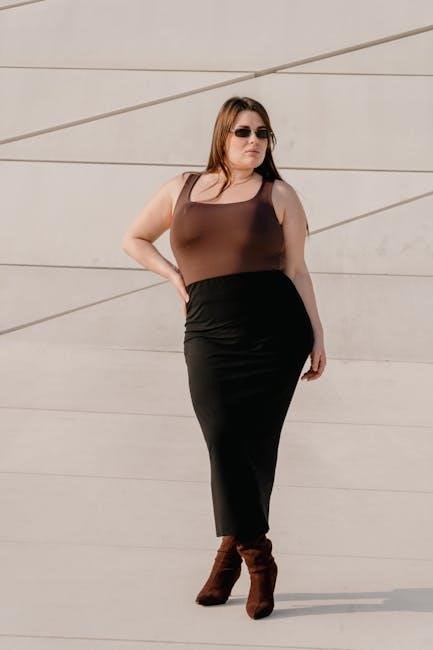
Garment style dramatically impacts sizing! Proportions matter, and desired fits change with trends; sometimes, retailers manufacture based on perceived sizes, not charts.
How Garment Style Impacts Size
The cut and design of a garment significantly influence the size you’ll need. A fitted blazer demands a more precise measurement than a flowing, oversized tunic. Consider a circle skirt – hip size might be irrelevant, allowing you to size down compared to other items. Conversely, jackets often require sizing up to accommodate shoulder width, even if it creates looseness elsewhere.
Styles evolve, and with them, the intended fit. What was once considered a standard “slim fit” might now be a “relaxed fit” within the same brand, despite the size chart remaining unchanged. This means relying solely on numbers can be misleading. A bodycon dress will necessitate a different size than a bohemian maxi dress, even if your measurements are consistent. Therefore, understanding the garment’s silhouette is crucial before consulting a size chart.
Always visualize how the style is meant to be worn – snug, loose, or somewhere in between – and adjust your size accordingly.
Considering Proportions: A Key to Fit
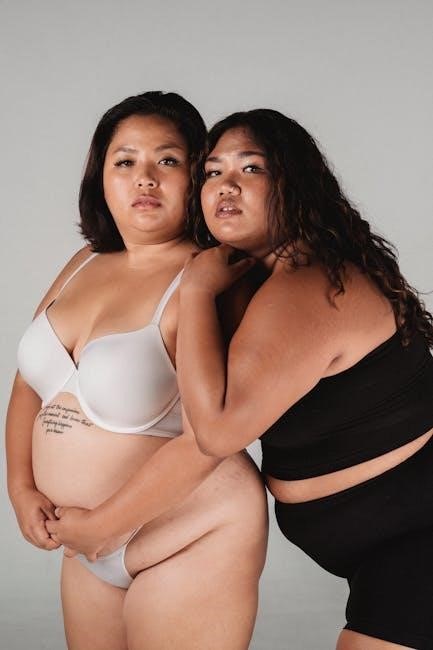
Everyone’s body is uniquely proportioned, and standard sizing often caters to an “average” that doesn’t exist. If your largest measurement dictates a larger size, but other measurements are smaller, prioritize the fit for your fullest area – even if it means alterations elsewhere. This is particularly true for outerwear like jackets, where shoulder width is paramount.
Conversely, if a garment’s design focuses on a specific area (like hips in a fitted skirt), and your hips are smaller than the corresponding size chart suggests, you might be able to size down. Don’t get fixated on a single number; think about how the garment will drape and fit your overall shape.
Recognize that clothing is constructed based on certain proportional assumptions. If you deviate significantly from those assumptions, a perfect off-the-rack fit is unlikely. Embrace tailoring to achieve a truly flattering result.
When to Size Up or Down
Certain garment categories consistently run larger or smaller than their stated size charts. Dresses, for example, often have different sizing than shirts or pants – a frustrating but common experience! Be aware of these tendencies, and adjust accordingly based on past purchases or customer reviews.
If a style is intentionally designed for a looser fit (like an oversized sweater or a flowy tunic), consider sizing down for a more tailored look. Conversely, if you prefer a relaxed fit in a typically fitted garment, or if the fabric has little stretch, sizing up might be wise.
Pay attention to evolving fashion trends; desired fits change over time. A style that was once fitted might now be trending towards a looser silhouette, even if the size chart remains the same. Retailers sometimes subtly adjust manufacturing to align with perceived sizes, so always double-check!
Decoding Size Charts
International conversions and inconsistent information require careful attention. Customer reviews offer valuable insights, helping you navigate sizing discrepancies and find your perfect fit.
Understanding International Size Conversions
Global sizing systems present a significant challenge for online shoppers. Sizes labeled ‘Small’ in one country might equate to a ‘Medium’ or even a ‘Large’ elsewhere, leading to frustrating miscalculations. Common systems include US, UK, European, and Australian sizes, each with its own unique numbering and letter designations.
Conversion charts are readily available online, but they aren’t always foolproof. Variations exist even within these systems, and a simple chart can’t account for individual brand discrepancies. It’s crucial to remember that these charts provide a general guideline, not a definitive answer.
Always prioritize the brand’s specific size chart whenever possible. Don’t assume a direct conversion will work; instead, measure yourself accurately and compare those measurements to the provided chart. When in doubt, consider sizing up, as alterations are often easier than trying to expand a garment that’s too small.
Dealing with Inconsistent Sizing Information
Inconsistencies in sizing are unfortunately commonplace in the fashion industry. Retailers sometimes deviate from standard charts, and even within a single brand, sizing can fluctuate between different styles or product lines. This inconsistency stems from various factors, including manufacturing variations and shifting fashion trends.
When encountering conflicting information, prioritize detailed measurements over generalized size labels. Don’t rely solely on your usual size; instead, meticulously measure your bust, waist, and hips, and compare those figures to the specific garment’s size chart.
Leverage customer reviews to gain valuable insights. Pay attention to comments regarding fit – do reviewers suggest sizing up or down? Are there consistent reports of a particular item running large or small? This collective wisdom can be incredibly helpful in making an informed decision, especially when official sizing information is unclear.
Utilizing Customer Reviews for Size Guidance
Customer reviews are a goldmine of practical sizing information, often providing a more realistic perspective than official size charts. Real shoppers share their experiences, detailing how garments actually fit in relation to the listed measurements.
Focus on reviews that specifically mention sizing. Look for comments addressing whether an item runs true to size, large, or small. Pay attention to reviewers with similar body types to your own, as their feedback will be particularly relevant.
Be mindful of the source and volume of reviews. A larger number of reviews generally provides a more reliable consensus. Also, be cautious of potentially biased or incentivized reviews. When size charts are ambiguous, collective customer feedback can significantly improve your chances of selecting the right fit and avoiding returns.