Audi TT Buyer’s Guide: An Overview
Recent online forums discuss Audi vehicle issues‚ spanning models like the A4‚ A5‚ Q2‚ Q3‚ Q6 e-tron‚ and A6.
These discussions highlight potential maintenance concerns and user experiences.
The Audi TT‚ a compact sports car‚ has captivated enthusiasts since its 1998 debut. Online forums reveal ongoing discussions about Audi’s reliability‚ with owners sharing experiences regarding issues like oil leaks (A4) and general maintenance (A5‚ Q series). The TT distinguishes itself with a focus on stylish design and engaging driving dynamics.
It’s a vehicle that blends practicality with a sporty character‚ appealing to those seeking a premium experience. Recent posts highlight concerns about the MyAudi app functionality and unexpected repairs‚ emphasizing the importance of thorough pre-purchase inspections and understanding potential running costs. The TT’s enduring popularity stems from its unique blend of form and function.
Generations of the Audi TT
The Audi TT has evolved through three distinct generations. The Mk1 (1998-2006) established the TT’s iconic Bauhaus-inspired design. The Mk2 (2006-2014) refined the original‚ addressing early criticisms and introducing improved technology. Current online discussions regarding Audi models (A4‚ Q6 e-tron) demonstrate a continued focus on technological advancements and potential issues.
The Mk3 (2014-2023) brought a more aggressive aesthetic and a fully digital interior. Each generation offers a unique driving experience and feature set. Understanding these differences is crucial when choosing a used TT‚ considering factors like budget‚ desired technology‚ and performance expectations‚ as highlighted by recent forum posts.
Choosing the Right TT Generation
Selecting a TT generation depends on priorities. Forums reveal Audi owners discuss varied issues across models‚ influencing purchase decisions based on reliability and features.
Mk1 (1998-2006): First Generation
The original Audi TT (Mk1) captivated drivers with its Bauhaus-inspired design and surprisingly agile handling. Available as a coupe or roadster‚ it quickly became an icon. However‚ early models faced criticism regarding stability at high speeds‚ prompting Audi to implement Electronic Stability Control (ESC) as standard.
Engine options included the 1.8L turbocharged inline-four and the potent 3.2L VR6. While offering a more affordable entry point‚ the 1.8T is known for potential oil consumption issues‚ a concern echoed in recent online Audi forums discussing various models. The Mk1 represents a classic entry into the TT lineage‚ but prospective buyers should prioritize a thorough pre-purchase inspection.
Mk2 (2006-2014): Second Generation Improvements
The second-generation Audi TT (Mk2) addressed the Mk1’s stability concerns and refined the overall driving experience. Featuring a more mature design‚ it retained the iconic circular theme while offering increased interior space and improved build quality. Engine options expanded to include a more powerful 2.0L turbocharged engine alongside the continued availability of the 3.2L VR6.
Online discussions regarding Audi vehicles frequently mention potential issues with turbocharger failures and oil consumption‚ concerns that apply to the Mk2’s 1.8T and 2.0T engines. The Mk2 also introduced updated infotainment systems and enhanced safety features‚ making it a well-rounded and desirable option.
Mk3 (2014-2023): Modern Technology and Design
The third-generation Audi TT (Mk3) represents a significant leap forward in technology and design. It boasts a striking interior focused around the Virtual Cockpit – a fully digital instrument cluster – and a more angular exterior aesthetic. Engine options primarily centered around the 2.0L turbocharged engine‚ offering impressive performance and fuel efficiency.
Recent online forums highlight potential electrical system concerns across various Audi models‚ a factor to consider when evaluating a Mk3. The Mk3 also benefits from advancements in infotainment and driver-assistance systems‚ making it the most technologically advanced TT to date.

Engine Options and Performance
Audi TT engines range from 1.8L to 3.2L VR6‚ with turbocharged options dominating. Performance variants like the TTS and TT RS deliver exhilarating power.
1.8L Turbocharged Engine (Mk1/Mk2)
The 1.8L turbocharged engine‚ found in both the Mk1 and Mk2 Audi TT‚ represents a compelling entry point into the TT ownership experience. Initially producing around 180 horsepower‚ later iterations saw power increases to 190hp and even 200hp; This engine delivers a good balance of performance and fuel efficiency‚ making it suitable for daily driving.
However‚ potential buyers should be aware of potential issues. Online forums frequently mention oil consumption as a concern‚ requiring regular monitoring. While generally reliable‚ preventative maintenance is key to ensuring longevity; The turbocharger‚ while robust‚ can exhibit wear over time‚ potentially leading to costly repairs. Overall‚ it’s a capable engine offering a sporty driving experience.
2.0L Turbocharged Engine (Mk2/Mk3)
The 2.0L turbocharged engine became a mainstay in the Audi TT lineup with the Mk2 and continued through the Mk3 generations. Offering a significant power upgrade over the 1.8L‚ it typically delivers between 200 and 230 horsepower‚ depending on the specific model year and tuning. This engine provides a noticeably more engaging driving experience‚ with strong acceleration and responsive performance.
Like the 1.8L‚ oil consumption can be a point of concern‚ requiring regular checks. Turbocharger health is also crucial. However‚ the 2.0L generally benefits from improved refinement and reliability compared to its predecessor. It remains a popular choice for TT buyers seeking a blend of performance and practicality.
3.2L VR6 Engine (Mk1/Mk2) ⏤ Performance Models
For those seeking a more exhilarating driving experience‚ the 3.2L VR6 engine‚ available in select Mk1 and Mk2 Audi TT models‚ delivers substantial performance. This naturally aspirated V6 produces around 250 horsepower‚ offering a unique and characterful engine note alongside strong acceleration. It provides a different power delivery compared to the turbocharged options‚ feeling more linear and responsive.
However‚ the VR6 engine can be more complex to maintain‚ and potential issues should be carefully assessed during a pre-purchase inspection. While offering a thrilling drive‚ it generally exhibits lower fuel economy than the turbocharged engines.
TTS and TT RS: High-Performance Variants
Audi significantly upped the performance ante with the TTS and TT RS models. The TTS‚ typically featuring a tuned 2.0L turbo engine‚ delivers a noticeable power boost over the standard TT‚ offering quicker acceleration and enhanced handling. The TT RS‚ however‚ represents the pinnacle of TT performance.
Equipped with a potent 2.5L five-cylinder turbo engine‚ the TT RS generates substantial horsepower and torque‚ resulting in exhilarating speed and a distinctive exhaust sound. These high-performance variants often include upgraded brakes‚ suspension‚ and styling cues‚ making them highly desirable but also commanding a premium price.

Key Features and Technology
Audi’s forums reveal user focus on the MyAudi app‚ digital key functionality‚ and remote vehicle access‚ highlighting tech integration within the Audi ecosystem.
Interior Design and Quality
The Audi TT consistently receives praise for its driver-focused interior. Early models (Mk1) offered a clean‚ minimalist aesthetic‚ though material quality varied. Later generations (Mk2 & Mk3) significantly improved upon this‚ incorporating higher-grade plastics‚ aluminum trim‚ and available leather upholstery.
The TT’s cabin prioritizes a sporty feel‚ with supportive seats and intuitive controls. Online discussions among Audi owners frequently mention the well-designed dashboard layout and the overall sense of quality. While rear seats are present‚ they are notably small and best suited for occasional use or storage. The focus remains firmly on the driving experience within a refined and modern space.
Infotainment Systems Across Generations
The Audi TT’s infotainment evolved considerably across its generations. The Mk1 featured a relatively basic system for its time‚ lacking the advanced features of later models. The Mk2 introduced Audi’s MMI system‚ offering improved navigation and entertainment options‚ though it could feel dated compared to contemporary rivals.
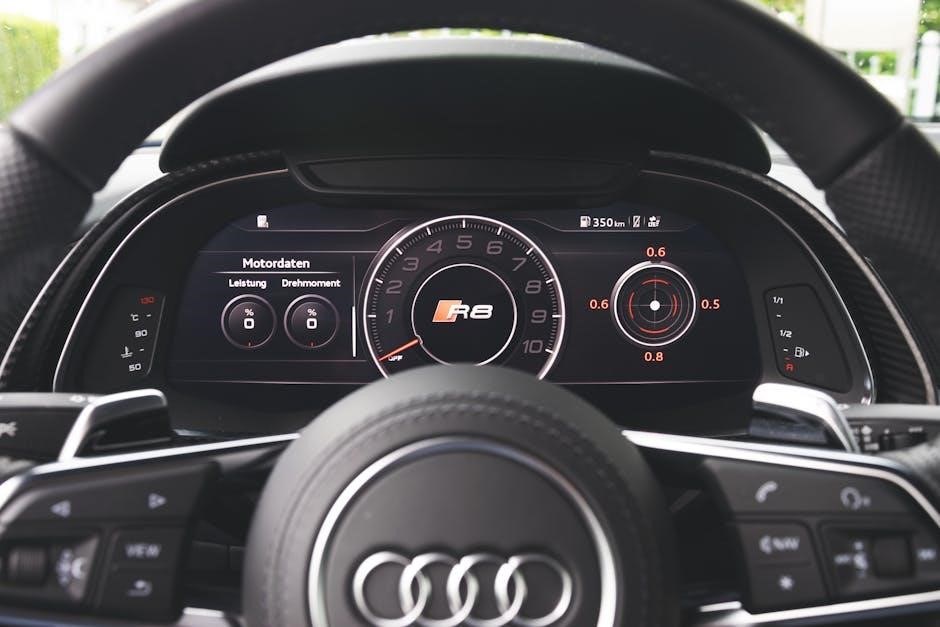
The Mk3 saw a significant leap forward with the Virtual Cockpit – a fully digital instrument cluster – becoming a standout feature. This system integrates navigation‚ media‚ and vehicle information into a customizable display. Recent forum posts highlight MyAudi app connectivity issues‚ including account synchronization and remote access features‚ demonstrating ongoing software development.
Quattro All-Wheel Drive System
Audi’s renowned Quattro all-wheel drive system is a defining feature of many TT models‚ enhancing grip and stability‚ particularly in challenging conditions. Early iterations in the Mk1 and Mk2 provided a mechanical advantage‚ while later systems became more sophisticated with electronic control.
Quattro distributes power between the front and rear axles‚ adapting to road conditions and driver input. While generally reliable‚ online forums occasionally mention potential issues with the Haldex clutch in some Mk2 and Mk3 models‚ requiring periodic maintenance. The system significantly improves handling and confidence‚ making it a desirable option for many buyers.

Common Problems and Reliability
Online Audi forums reveal potential issues like oil consumption‚ turbocharger failures‚ and electrical system concerns across various models‚ impacting long-term reliability.
Oil Consumption Issues
A recurring theme in Audi owner forums‚ particularly concerning older models‚ centers around excessive oil consumption. Several posts detail instances of Audi A4 and A5 owners experiencing oil loss‚ sometimes requiring frequent top-ups between service intervals. This issue isn’t exclusive to those vehicles; similar concerns can extend to the TT‚ especially earlier generations.
The root cause often points to worn piston rings or valve stem seals‚ allowing oil to enter the combustion chamber and burn off. Symptoms include a noticeable drop in oil levels‚ blueish exhaust smoke‚ and potentially fouled spark plugs. Prospective buyers should carefully inspect for evidence of oil leaks and inquire about the vehicle’s oil consumption history during a pre-purchase inspection.
Turbocharger Failures
Considering the Audi TT’s reliance on turbocharged engines‚ potential turbocharger issues are a significant concern for prospective buyers. Online forums reveal reports of turbo failures across various Audi models‚ including the A4‚ A5‚ and potentially impacting the TT. These failures can stem from several factors‚ including insufficient lubrication‚ carbon buildup‚ or simply age-related wear and tear.
Symptoms of a failing turbocharger include a loss of power‚ whistling or whining noises‚ excessive exhaust smoke‚ and potentially an illuminated check engine light. A pre-purchase inspection should specifically assess the turbocharger’s condition‚ checking for shaft play‚ oil leaks‚ and proper operation. Repair or replacement can be costly‚ so awareness is crucial.
Electrical System Concerns
Audi vehicles‚ including the TT‚ can experience electrical gremlins as they age. Recent forum discussions highlight issues with the MyAudi app‚ reporting unexpected notifications and account synchronization problems. While not specific to the TT‚ this suggests potential software or connectivity vulnerabilities across the Audi range.
Potential buyers should be aware of possible issues with central locking systems‚ window regulators‚ and the infotainment system. Thoroughly test all electrical components during a pre-purchase inspection. Look for warning lights‚ unresponsive controls‚ or unusual behavior. Addressing electrical faults can be time-consuming and expensive‚ so diligence is key.

Buying Considerations
Prioritize a comprehensive pre-purchase inspection‚ focusing on service history and mileage. Recent forum posts emphasize potential mechanical issues in various Audi models‚ demanding caution.
Mileage and Service History
A thorough review of the vehicle’s mileage is paramount when considering an Audi TT. Lower mileage examples generally command a premium‚ but aren’t a guarantee of condition. More crucial is a complete and verifiable service history.
Recent online Audi forums reveal recurring issues across models – from A4 oil leaks to A6 component failures – highlighting the importance of documented maintenance.
Look for evidence of regular oil changes‚ timing belt replacements (if applicable)‚ and any repairs undertaken. Gaps in the service record should raise red flags‚ potentially indicating neglected maintenance and future problems. A well-maintained TT‚ even with higher mileage‚ is often a safer bet than a low-mileage example with an unknown past.
Pre-Purchase Inspection
A professional pre-purchase inspection (PPI) is non-negotiable when buying a used Audi TT. Online Audi forums consistently demonstrate that seemingly minor issues can escalate into costly repairs. A qualified mechanic specializing in Audis can identify potential problems invisible to the untrained eye.
Specifically‚ request they check for oil consumption‚ turbocharger health (a common concern)‚ and electrical system functionality‚ as discussed in various owner experiences.
The inspection should include a compression test‚ a scan for error codes‚ and a thorough examination of the suspension and brakes. Investing in a PPI can save you significant money and headaches down the road‚ ensuring a sound purchase.
Typical Price Ranges by Generation and Condition
Pricing for used Audi TTs varies dramatically based on generation‚ mileage‚ and overall condition. Expect to find Mk1 (1998-2006) models ranging from $4‚000 to $12‚000‚ depending on condition and modifications.
Mk2 (2006-2014) models generally command $8‚000 to $20‚000‚ while the more modern Mk3 (2014-2023) versions can range from $22‚000 to $45‚000 or higher for well-maintained‚ low-mileage examples.
High-performance TTS and TT RS variants will naturally fetch a premium. Online marketplaces and dealership listings should be cross-referenced to establish a fair market value.

Maintenance and Running Costs
Audi ownership‚ as discussed in forums‚ involves potential repairs like water pumps and transmission services. Budget accordingly for routine upkeep and unexpected issues.
Routine Maintenance Schedule
Maintaining an Audi TT requires diligent adherence to a schedule‚ ensuring longevity and peak performance. Oil changes are crucial‚ typically every 10‚000-15‚000 miles depending on driving conditions and oil type. Regularly inspect brake pads‚ rotors‚ and fluid levels.
Air filters should be replaced annually‚ and coolant flushed every two years. Spark plugs require attention around 60‚000 miles. Forum discussions highlight the importance of addressing potential oil consumption issues promptly.
Don’t neglect the timing belt (if applicable to the specific engine) – failure can be catastrophic. A comprehensive inspection during each service is highly recommended‚ catching minor problems before they escalate into costly repairs‚ as noted in online Audi communities.
Cost of Common Repairs
Repair costs for an Audi TT can vary significantly based on generation‚ engine‚ and the extent of the issue. Oil consumption problems‚ frequently discussed in online forums‚ can lead to engine repairs ranging from $1‚000 to $3‚000+. Turbocharger failures‚ another common concern‚ typically cost $1‚500 ⏤ $4‚000 to address.
Electrical system issues‚ also noted in user reports‚ can range from minor sensor replacements ($100-$300) to more complex wiring harness repairs ($500+). Water pump replacements‚ as seen in A5 discussions‚ can be around $500-$800‚ including labor.
Preventative maintenance‚ as emphasized in Audi communities‚ can mitigate these costs long-term.
Fuel Economy Expectations
Fuel economy for the Audi TT varies considerably depending on the generation‚ engine choice‚ and driving style. The Mk1 with the 1.8L turbo typically achieves 22-28 mpg combined. Mk2 models with the 2.0L turbo generally offer 23-30 mpg. The more powerful 3.2L VR6 sees figures around 19-25 mpg.
The Mk3‚ benefiting from newer technology‚ delivers approximately 25-35 mpg with the 2.0L turbo. TTS and TT RS variants‚ prioritizing performance‚ will experience lower fuel economy‚ potentially in the 20-28 mpg range.
Real-world mileage will always differ based on individual driving habits.
Modifications and Tuning
Audi owners frequently discuss performance upgrades‚ cosmetic changes‚ and ECU remapping in online forums‚ seeking to enhance their vehicle’s capabilities and aesthetics.
Popular Performance Upgrades
Numerous performance enhancements are available for the Audi TT‚ catering to diverse driving preferences. A common upgrade is an aftermarket exhaust system‚ offering improved sound and potentially increased horsepower. Many enthusiasts opt for upgraded turbochargers or intercoolers to boost engine output‚ particularly on 2.0L models.
Suspension modifications‚ such as coilover kits or sway bars‚ significantly improve handling and reduce body roll during spirited driving. Brake upgrades‚ including larger rotors and performance pads‚ enhance stopping power. ECU remapping‚ discussed frequently in online forums‚ allows for optimized engine calibration‚ unlocking hidden potential. These upgrades‚ when combined‚ can transform the TT’s driving dynamics.
Cosmetic Modifications
Personalizing the Audi TT’s appearance is a popular pursuit among owners. Simple modifications include installing aftermarket wheels‚ ranging from lightweight alloys to aggressive designs‚ dramatically altering the car’s stance. Tinted windows offer a sleek aesthetic and increased privacy. Many owners choose to add aerodynamic enhancements like front splitters‚ side skirts‚ and rear diffusers.
Interior customization options are plentiful‚ including upgraded seats‚ steering wheels‚ and trim pieces. Vinyl wraps or full paint jobs allow for unique color schemes. LED lighting upgrades‚ both interior and exterior‚ provide a modern touch. These cosmetic changes allow TT owners to express their individual style.
ECU Remapping and Tuning
ECU remapping‚ or chip tuning‚ is a common modification to enhance the Audi TT’s performance. This involves altering the engine control unit’s software to optimize parameters like fuel delivery‚ ignition timing‚ and turbo boost. Stage 1 tunes typically offer modest power gains with improved throttle response‚ while Stage 2 and 3 require additional hardware upgrades.
Professional tuning is crucial to avoid engine damage. Reputable tuners utilize dyno testing to ensure safe and effective results. Common goals include increased horsepower and torque‚ but also improved fuel efficiency in some cases. Beware of overly aggressive tunes‚ as they can compromise engine longevity and reliability.

Finding an Audi TT for Sale
Online marketplaces and Audi dealerships offer diverse TT options. Private sellers can present opportunities‚ but require diligent inspection and verification of vehicle history.
Online Marketplaces
Numerous online platforms facilitate Audi TT sales‚ offering a broad selection and potential for competitive pricing. Popular choices include AutoTrader‚ Cars.com‚ and Facebook Marketplace. However‚ exercising caution is paramount. Thoroughly scrutinize listings‚ paying close attention to vehicle history reports (like Carfax or AutoCheck) to uncover potential issues like accidents or title problems.
Direct communication with the seller is crucial. Ask detailed questions about maintenance records‚ known defects‚ and the reason for selling. Arrange a pre-purchase inspection by a qualified mechanic before committing to a purchase. Remember‚ online marketplaces often involve private sellers‚ so due diligence is your responsibility.
Audi Dealerships
Purchasing an Audi TT from an official dealership provides several advantages‚ primarily peace of mind and certified pre-owned (CPO) options. CPO vehicles undergo rigorous inspections and come with extended warranties‚ mitigating potential risks. Dealerships also offer financing options and can handle all the necessary paperwork efficiently.
However‚ prices at dealerships are typically higher than those found on online marketplaces or from private sellers. Negotiating is still possible‚ and exploring multiple dealerships can yield better deals. Inquire about the vehicle’s service history and any remaining factory warranty coverage. Dealerships often provide a more transparent buying experience.
Private Sellers
Sourcing an Audi TT from a private seller often presents the opportunity for a lower purchase price compared to dealerships. However‚ this route demands increased due diligence. Thoroughly inspect the vehicle‚ review its service records‚ and ideally‚ obtain a pre-purchase inspection from a trusted mechanic.
Be cautious of potential scams and ensure a clear bill of sale outlining all terms and conditions. Verify the vehicle’s title is clean and free of any liens. Private sales typically involve a “as-is” transaction‚ meaning you assume all responsibility for repairs post-purchase. Online forums can sometimes connect you with reliable sellers.

Final Thoughts and Recommendations
The Audi TT remains a compelling choice for those seeking a sporty and stylish coupe. Careful consideration of your budget‚ desired generation‚ and intended use is crucial. Recent online discussions highlight potential maintenance needs across various Audi models‚ emphasizing the importance of a pre-purchase inspection.
Prioritize a vehicle with a comprehensive service history and be prepared for potential repairs‚ particularly concerning oil consumption or turbocharger issues. Whether sourced from a dealership or private seller‚ thorough research and a professional assessment will ensure a rewarding ownership experience with this iconic Audi.