Manual vacuum pumps offer a portable, hand-powered solution for creating a vacuum, utilized in diverse applications like automotive work and food preservation.
What is a Manual Vacuum Pump?
A manual vacuum pump is a mechanical device designed to remove gas molecules from a sealed volume, creating a partial vacuum. Unlike electric pumps, it relies on human power, making it ideal for remote locations or situations lacking electricity. These pumps function through repeated mechanical action, typically involving a piston and cylinder.
They are commonly used for tasks like oil extraction, brake bleeding in vehicles, and vacuum sealing. A key feature is often a valve allowing filling without disconnecting tubes, enhancing convenience; Models like the VEVOR fluid extractor exemplify this functionality, offering a portable solution for fluid changes.
Historical Development of Vacuum Pump Technology
The quest for creating a vacuum dates back centuries, with early experiments by Otto von Guericke in the 17th century demonstrating atmospheric pressure. However, practical vacuum pumps evolved gradually. While early pumps were bulky and inefficient, the principle of positive displacement – repeatedly closing, exhausting, and expanding a chamber – laid the groundwork for modern designs.
Manual pumps, like those used for oil extraction today, represent a direct lineage from these early innovations. The development of improved seals and piston mechanisms significantly enhanced their performance, leading to the versatile tools available now.
Common Applications of Manual Vacuum Pumps
Manual vacuum pumps find widespread use across various fields. In automotive maintenance, they excel at oil extraction, brake bleeding, and coolant system vacuum filling. Laboratories utilize them for vacuum filtration, degassing liquids, and chamber evacuation.
Beyond these, they’re crucial for vacuum sealing food, particularly with wine bottles and jars, extending shelf life. Their portability and lack of electrical requirements make them ideal for remote or emergency situations.

Types of Manual Vacuum Pumps
Manual vacuum pumps are categorized into single-stage, double-stage, and diaphragm types, each offering varying levels of vacuum depth and pumping efficiency.
Single-Stage Manual Vacuum Pumps
Single-stage manual vacuum pumps are characterized by their simpler design and operation, making them a cost-effective choice for less demanding applications. These pumps achieve vacuum through a single piston stroke within a cylinder, creating suction to draw air or fluids.
Typically, they are suitable for tasks like brake bleeding or basic fluid extraction where extremely deep vacuum levels aren’t critical. Their pumping rate, often around 15cc per stroke, is adequate for many automotive maintenance needs. They are generally more compact and lightweight, enhancing portability for various uses.
Double-Stage Manual Vacuum Pumps
Double-stage manual vacuum pumps represent an advancement in vacuum generation, offering significantly deeper vacuum levels compared to single-stage models. They employ two pistons operating sequentially, first creating a preliminary vacuum and then further enhancing it with a second stage.
This design results in a more efficient and powerful pump, ideal for applications requiring a stronger vacuum, such as degassing liquids or more thorough evacuation of systems. They generally feature a higher pumping rate and are preferred for professional automotive work and laboratory settings.
Diaphragm Manual Vacuum Pumps
Diaphragm manual vacuum pumps utilize a flexible diaphragm, moved by a mechanical linkage, to create vacuum. These pumps are known for being oil-free, making them suitable for applications where contamination is a concern, like certain laboratory processes or food-related tasks.
They generally produce a moderate vacuum level and are valued for their clean operation and relatively quiet performance. While not as powerful as multi-stage pumps, they offer a reliable and contamination-free vacuum source for specific needs.

Key Components of a Manual Vacuum Pump
Essential components include the pump body, piston with seals, check valves for directional flow, and a vacuum gauge to precisely monitor pressure levels.
Pump Body and Cylinder
The pump body serves as the foundational structure, typically constructed from durable materials like metal or robust plastics to withstand repeated use and potential fluid exposure. Within this body resides the cylinder, a precisely machined chamber where the piston operates.
Cylinder precision is crucial; a smooth inner surface minimizes friction and ensures an efficient seal against the piston. The design often incorporates ports for inlet and outlet valves, facilitating the vacuum creation process. Material compatibility with the intended fluids is also a key consideration in both body and cylinder construction.
Piston and Seals
The piston, driven by manual force, is the core component responsible for creating the pumping action within the cylinder. Its tight fit, achieved through precisely engineered seals, is paramount for generating and maintaining vacuum pressure.
Seals, often made of rubber or specialized polymers, prevent air leakage past the piston, ensuring efficient vacuum creation. Regular inspection and replacement of these seals are vital for optimal pump performance. Piston design may include features to enhance fluid displacement and minimize wear.
Check Valves (Inlet and Outlet)
Check valves are crucial one-way mechanisms within a manual vacuum pump, dictating the direction of airflow. The inlet valve allows air to enter the cylinder during the piston’s return stroke, while the outlet valve prevents backflow during the pumping stroke, maintaining the vacuum.
These valves ensure efficient vacuum creation and prevent loss of pressure. Proper functioning is essential; debris or wear can compromise their sealing ability, reducing pump effectiveness.
Vacuum Gauge (Pressure Measurement)
A vacuum gauge is an integral component, providing a visual indication of the pressure achieved within the system. Typically displaying readings in inches of mercury (inHg) or centimeters (cmHg), it allows users to monitor the pump’s performance and verify sufficient vacuum levels for the intended application.
Accurate pressure monitoring is vital for tasks like brake bleeding or degassing, ensuring optimal results. Equipped gauges enhance control and prevent damage to sensitive components.
Operating Principles of Manual Vacuum Pumps
Manual vacuum pumps utilize positive displacement, mechanically drawing air out via piston action and check valves, creating and sustaining a vacuum.
Positive Displacement Mechanism
Positive displacement is central to manual vacuum pump operation. Unlike pumps that rely on impeller speed, these pumps trap a fixed volume of air with each stroke. The piston’s movement within the cylinder physically reduces the space, forcing air outwards. This repeated cycle, akin to a manual water pump, progressively lowers pressure.
Crucially, this method doesn’t depend on maintaining a constant flow; it focuses on removing discrete air packets. By repeatedly closing off, exhausting, and expanding a compartment, a sustained vacuum is achieved, making it highly effective for various applications.
Creating Vacuum Through Mechanical Action
Manual vacuum pumps generate vacuum power via direct mechanical action. The user’s reciprocating motion of the pump handle drives a piston within a sealed cylinder. Each stroke physically expands the cylinder volume on the intake side, drawing in air. Simultaneously, the decreasing volume on the discharge side expels air through check valves.
This continuous cycle of expansion and compression progressively reduces air pressure, establishing a vacuum. The efficiency relies on a tight seal between the piston and cylinder walls, preventing leakage and maximizing vacuum depth.
The Role of Check Valves in Maintaining Vacuum
Check valves are crucial components within a manual vacuum pump, ensuring unidirectional airflow and vacuum preservation. The inlet check valve allows air to enter the cylinder during the piston’s upstroke, preventing backflow. Conversely, the outlet check valve permits air expulsion during the downstroke, blocking re-entry.
This system maintains a consistent vacuum by preventing air from returning to the evacuated space, effectively isolating the reduced-pressure environment and sustaining the pumping action’s results.

Applications in Automotive Maintenance
Manual vacuum pumps excel in automotive tasks like oil extraction, brake bleeding, and coolant system vacuum filling, offering mechanics a portable solution.
Oil Extraction with Manual Vacuum Pumps
Manual vacuum pumps provide an efficient method for oil extraction from engines, particularly through the dipstick tube, avoiding the need for lifting the vehicle or removing the oil pan. This process is cleaner and faster than traditional draining methods.
Devices like the VEVOR 6.5L Manual Fluid Extractor Pump are specifically designed for this purpose, utilizing a dipstick and suction capabilities. They are ideal for both professional mechanics and DIY enthusiasts, offering a convenient way to perform oil changes and fluid replacements in various automotive applications.
Brake Bleeding Using Vacuum Pumps
Manual vacuum pumps simplify brake bleeding by creating a vacuum to draw fluid through the brake lines, effectively removing air bubbles that compromise braking performance. This method is particularly useful when a traditional two-person bleeding process isn’t feasible.
The pumps connect to the bleed screws, allowing a single technician to efficiently flush the brake system. Regularly bleeding brakes with a vacuum pump ensures optimal stopping power and a firm pedal feel, contributing to overall vehicle safety and reliable operation.
Coolant System Vacuum Filling
Manual vacuum pumps excel at removing air pockets from coolant systems during refills, a critical step often overlooked. By creating a vacuum, the pump efficiently evacuates air trapped within the engine block, radiator, and hoses before introducing coolant.
This process ensures complete coolant circulation, preventing overheating and maintaining optimal engine temperature regulation. Vacuum filling minimizes the risk of air locks, which can lead to localized hot spots and potential engine damage, promoting long-term reliability.
Applications in Laboratory and Scientific Settings
Manual vacuum pumps are invaluable for laboratory tasks like vacuum filtration, degassing liquids, and evacuating chambers for controlled experiments and analyses.
Vacuum Filtration Processes
Manual vacuum pumps significantly enhance vacuum filtration, a common laboratory technique for separating liquids from solids. By applying a vacuum, the pump accelerates the filtration process, drawing the liquid through a filter medium while retaining the solid particles. This method is particularly useful when dealing with solutions containing fine precipitates or when faster filtration is required compared to gravity filtration. The controlled vacuum allows for efficient and clean separation, crucial for obtaining pure samples and accurate experimental results. Utilizing a manual pump offers a cost-effective and portable alternative to larger, electrically powered vacuum systems for this essential laboratory procedure.
Degassing Liquids
Manual vacuum pumps are effectively employed in degassing liquids, a process of removing dissolved gases. Applying a vacuum lowers the pressure, reducing gas solubility and causing bubbles to form and escape the liquid. This is vital in applications like chromatography and sample preparation, where dissolved gases can interfere with results. A manual pump provides a convenient, self-contained method for degassing smaller volumes, eliminating the need for complex vacuum systems. The process improves the accuracy and reliability of experiments by minimizing unwanted gas interference within the liquid sample.
Vacuum Chamber Evacuation
Manual vacuum pumps can initiate the evacuation of small vacuum chambers, creating a partial vacuum for experiments or processes requiring reduced atmospheric pressure. While not achieving the deep vacuums of powered pumps, they’re suitable for applications like leak testing or preliminary evacuation stages. Repeated strokes gradually remove air, lowering the pressure within the chamber. This method is cost-effective and portable, ideal for field work or educational settings. It’s important to note that larger chambers or those needing high vacuum levels require more powerful pumping solutions.

Vacuum Sealing and Food Preservation
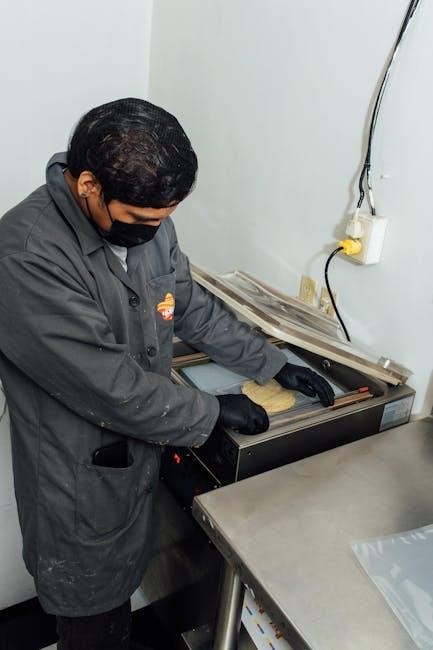
Manual vacuum pumps effectively remove air from containers and wine bottles, preserving freshness and flavor by inhibiting oxidation and spoilage.
Manual Vacuum Pumps for Wine Bottles
Manual vacuum pumps paired with specialized stoppers revolutionize wine preservation. By removing air from opened bottles, oxidation is significantly reduced, extending the wine’s drinkable life for days, even weeks. Vacuum Wine 9-piece sets, including a manual pump and universal stoppers, are readily available. These pumps create a tight seal, preventing flavor degradation and maintaining the wine’s original characteristics. This method is a cost-effective alternative to expensive preservation systems, ensuring every glass tastes as intended, even after multiple servings.
Vacuum Sealing Jars and Containers
Manual vacuum pumps, alongside appropriate pins, enable effective vacuum sealing of jars and containers, ideal for preserving food items. Vacuum Wine sets often include universal vacuum pins specifically designed for pickling jars. This process removes air, inhibiting mold growth and preserving freshness significantly longer than traditional methods. It’s a simple, reusable system, offering a sustainable alternative to single-use plastic containers. Properly sealed jars maintain food quality, flavor, and nutritional value, reducing waste and ensuring long-term storage solutions.
Extending Food Shelf Life with Vacuum Sealing
Manual vacuum pumps dramatically extend food shelf life by removing oxygen, a key component in spoilage. Reduced oxygen levels inhibit the growth of bacteria, mold, and yeast, preserving food’s freshness, flavor, and nutritional value. Vacuum sealing is particularly effective for preserving meats, cheeses, vegetables, and fruits. This method minimizes freezer burn and prevents dehydration, maintaining quality over extended periods. Utilizing a manual pump offers a cost-effective and environmentally friendly approach to food preservation at home.
Choosing the Right Manual Vacuum Pump
Selecting a manual vacuum pump requires considering pumping rate, vacuum depth, material compatibility, brand reputation, and warranty for optimal performance and longevity.
Considering Pumping Rate and Vacuum Depth
Pumping rate, measured in cubic centimeters per stroke (cc/stroke), dictates how quickly a vacuum is achieved. Higher rates are beneficial for larger volumes or faster applications. Vacuum depth, often expressed in inches of mercury (inHg) or centimeters of mercury (cmHg), defines the lowest pressure the pump can reach.
Applications demanding deeper vacuums, like degassing, necessitate pumps with higher depth capabilities. A pump with a 15 cc/stroke rate and a depth of 29 inHg is suitable for many automotive tasks. Carefully assess your specific needs; a higher pumping rate doesn’t always equate to better performance if the required vacuum depth isn’t met.
Material Compatibility and Durability
Material compatibility is crucial, especially when dealing with various fluids. Ensure the pump’s seals and internal components resist degradation from oils, coolants, or other substances. Pumps constructed from robust materials like brass, aluminum, or high-grade plastics offer enhanced durability.
Consider the pump body’s resistance to impacts and wear. A well-built pump should withstand frequent use and maintain its vacuum integrity over time. Investing in a pump with quality construction minimizes the risk of leaks and ensures long-term reliability.
Brand Reputation and Warranty
Brand reputation often reflects product quality and customer support. Established brands like Mityvac and Sealey are known for reliable manual vacuum pumps, offering proven performance. Researching user reviews and industry feedback provides valuable insights.
A comprehensive warranty demonstrates the manufacturer’s confidence in their product. Look for warranties covering defects in materials and workmanship. A longer warranty period typically indicates higher quality and provides peace of mind, protecting your investment against potential issues.
Maintenance and Troubleshooting
Regular inspection of seals and valves is crucial for optimal performance. Lubrication and cleaning procedures maintain efficiency, while addressing common issues promptly ensures longevity.
Regular Inspection of Seals and Valves
Consistent performance of a manual vacuum pump hinges on the integrity of its seals and valves. Regularly inspect these components for any signs of wear, cracking, or deformation. Damaged seals compromise the vacuum, reducing efficiency and potentially causing pump failure. Check valve operation ensures unidirectional airflow, vital for maintaining vacuum pressure.
Look for leaks around the piston and valve seats. A simple test involves applying a slight vacuum and listening for hissing sounds. Promptly replace any worn or damaged parts to prevent further issues and maintain optimal pumping capabilities. Ignoring these checks can lead to costly repairs or pump replacement.
Lubrication and Cleaning Procedures
Proper lubrication is crucial for smooth operation and longevity of your manual vacuum pump. Periodically apply a vacuum-compatible grease to the piston and seals, preventing friction and wear. Avoid using petroleum-based lubricants, as they can degrade rubber components. Cleaning the pump after each use removes contaminants that could damage internal parts.
Wipe down the exterior with a damp cloth. For internal cleaning, cautiously use a solvent recommended by the manufacturer. Ensure complete solvent evaporation before reassembly. Regular maintenance extends the pump’s lifespan and ensures consistent performance.
Common Issues and Solutions
Loss of vacuum is a frequent issue, often caused by worn seals or faulty check valves. Inspect and replace these components if damaged. Reduced pumping efficiency can stem from debris obstructing the valves; cleaning resolves this. If the gauge displays inaccurate readings, verify its calibration or consider replacement.
Difficulty creating a vacuum might indicate insufficient lubrication. Applying appropriate grease can restore functionality. Always consult the manual for specific troubleshooting steps related to your pump model.
Safety Precautions When Using Manual Vacuum Pumps
Always handle fluids cautiously, avoid over-pressurization, and store pumps properly to prevent hazards and ensure longevity of the equipment.
Handling Fluids and Potential Hazards
When utilizing a manual vacuum pump for fluid extraction, like oil changes, exercise extreme caution. Many automotive fluids are corrosive or toxic, requiring appropriate personal protective equipment – gloves and eye protection are essential. Always dispose of extracted fluids responsibly, adhering to local environmental regulations. Be mindful of potential splashes or spills during the pumping process, and immediately clean up any accidental releases. Furthermore, avoid creating excessive vacuum pressure when dealing with flammable liquids, as this could increase the risk of ignition.
Avoiding Over-Pressurization
Manual vacuum pumps are designed to create a vacuum, not pressure. Attempting to reverse the process and generate pressure can damage the pump and create a dangerous situation. Always ensure check valves are functioning correctly to prevent backflow. Regularly monitor the vacuum gauge; exceeding the pump’s maximum vacuum rating can lead to component failure. Never seal a system completely without a pressure relief mechanism, as temperature changes can cause pressure build-up. Prioritize safe operation by understanding the pump’s limitations.
Proper Storage and Disposal
Manual vacuum pumps should be stored in a clean, dry environment, protected from extreme temperatures and direct sunlight. After use, thoroughly clean the pump, especially if fluids were extracted, to prevent corrosion. Dispose of any extracted fluids responsibly, following local environmental regulations. When the pump reaches the end of its life, check with local recycling centers for proper disposal options. Do not discard with general waste; some components may require specialized handling.