Investing in quality sunglasses is crucial for anglers‚ akin to selecting the right rod or reel․ The correct lens color enhances clarity‚ reduces fatigue‚ and ultimately‚ improves your fishing success․
Why Lens Color Matters for Fishing
Many anglers misunderstand the impact of different lens colors‚ believing skill alone guarantees success․ While true expertise is vital‚ selecting the appropriate lens color provides a significant advantage in spotting fish and reading the water․ The right tint isn’t merely about style; it’s about optimizing your vision for specific conditions․
Glare is a primary obstacle‚ originating from the sun‚ water surfaces‚ and even surrounding environments like sand or vehicle hoods․ Polarized lenses are essential‚ dramatically reducing this glare and allowing you to see beneath the water’s surface with greater clarity․ Different colors filter light uniquely‚ enhancing contrast and reducing eye strain throughout a long day on the water․ Choosing wisely can truly make or break your fishing experience․
The Importance of Polarization
Polarization is arguably the most critical feature in fishing sunglasses‚ functioning to eliminate intense glare reflected from the water’s surface․ This glare isn’t just uncomfortable; it obscures your view‚ making it harder to detect fish‚ structure‚ and potential hazards․ Polarized lenses effectively “cut out” a significant portion of this reflected light‚ while still allowing you to see clearly below the surface․
Without polarization‚ you’re essentially looking at a bright‚ shimmering surface that hides what lies beneath․ Polarization enhances contrast and clarity‚ revealing details you’d otherwise miss․ Even mirrored lenses offer increased glare protection‚ surpassing standard amber or yellow tints‚ though blue or green lenses excel in brighter conditions; Protecting your eyes and improving visibility are paramount for a successful and enjoyable fishing trip․
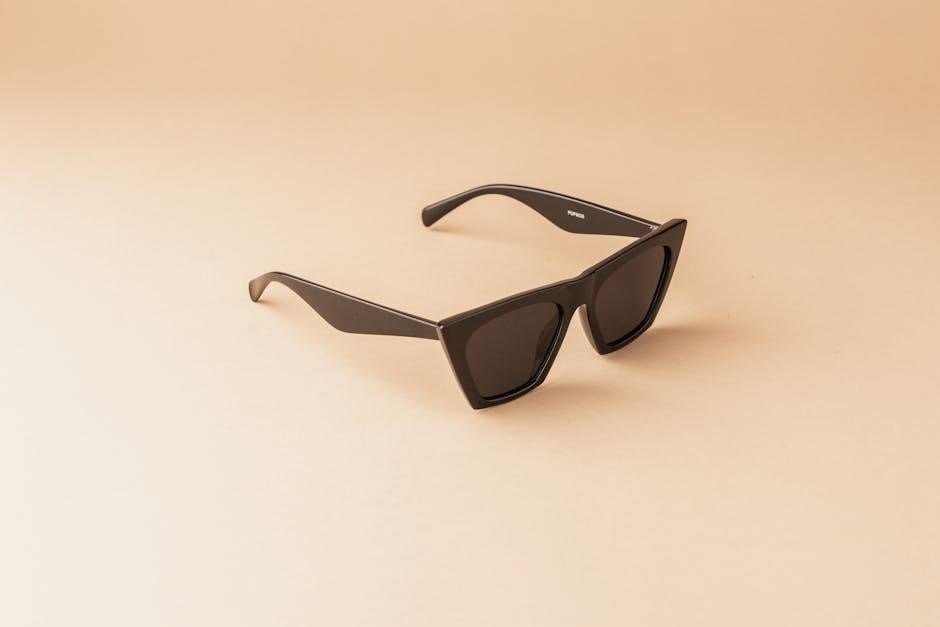
Understanding Lens Color Options
Different lens colors offer unique visual advantages for anglers‚ impacting contrast‚ clarity‚ and depth perception based on light conditions and water environments․
Gray Lenses: All-Around Performance
Gray lenses are often considered the most versatile option for anglers‚ functioning effectively in a wide range of lighting conditions․ They reduce overall brightness without significantly distorting colors‚ providing a true-to-life visual experience․ This makes them a solid choice for general fishing purposes‚ whether you’re facing sunny skies or overcast days․
Because gray lenses minimize brightness‚ they also reduce eye strain‚ allowing for extended periods on the water with greater comfort․ They are particularly beneficial for anglers sensitive to bright light or those who prefer a more natural color balance․ While not specialized for specific environments‚ their all-around performance makes them a reliable and practical choice for many fishing situations․ They excel at reducing glare without altering color perception․
Brown/Amber Lenses: Enhanced Contrast
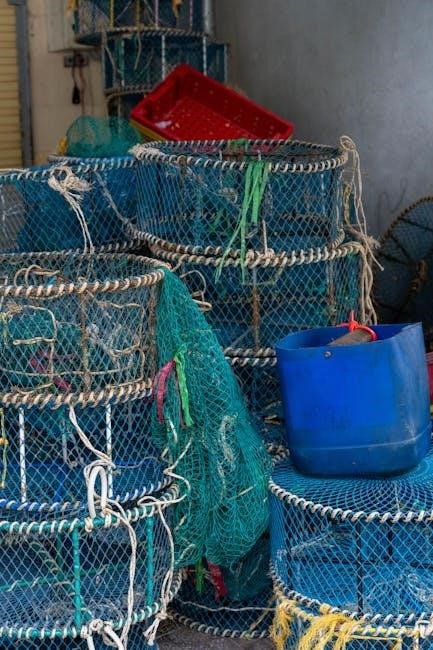
Brown and amber lenses are prized for their ability to enhance contrast‚ particularly in low-light or variable light conditions․ They excel at filtering out blue light‚ which can cause haze and reduce visual acuity․ This filtering effect sharpens details and makes it easier to spot fish and underwater structures․ Anglers often find these lenses incredibly useful when fishing in rivers‚ streams‚ or during cloudy days․
The increased contrast provided by brown/amber lenses allows for better depth perception‚ aiding in accurate casting and lure presentation․ While they may slightly alter color perception‚ the improved clarity and contrast often outweigh this drawback․ They are a fantastic option for situations where spotting subtle movements or details is critical to success‚ offering a significant advantage in challenging lighting scenarios․
Green Lenses: True Color Perception

Green lenses are renowned for their ability to provide the most accurate color perception‚ making them a favorite among anglers who rely on discerning subtle color variations underwater․ Unlike other lens colors that alter the color spectrum‚ green lenses offer a more natural view of the aquatic environment․ This is particularly beneficial when identifying different types of fish‚ vegetation‚ or bottom composition․
They also deliver excellent contrast and visual acuity while minimizing eye strain‚ allowing for extended periods on the water without discomfort․ Green lenses perform well in both bright and overcast conditions‚ offering versatility for various fishing environments․ They are a solid all-around choice for anglers prioritizing accurate color representation and comfortable vision throughout the day․
Yellow Lenses: Low-Light Conditions
Yellow lenses excel in low-light scenarios‚ such as cloudy days‚ dawn‚ or dusk‚ where visibility is compromised․ These lenses work by increasing contrast‚ effectively filtering out blue light which causes haze and reduces visual clarity․ This enhancement allows anglers to perceive objects with greater definition‚ even in challenging lighting conditions․ They brighten the visual field‚ making it easier to spot fish and navigate the water․
However‚ it’s important to note that yellow lenses can distort color perception and aren’t ideal for bright‚ sunny days․ While a mirrored coating can extend their usability into brighter conditions‚ they generally aren’t as effective as gray‚ amber‚ or blue lenses in intense sunlight․ They are a specialized tool for maximizing vision when light is limited․

Specialized Lens Colors for Specific Fishing Environments
Certain lens colors are optimized for unique fishing situations‚ offering advantages in specific environments like offshore‚ freshwater‚ or variable light conditions for better results․
Copper Lenses: Versatility in Variable Light
Copper lenses stand out as a remarkably versatile option‚ particularly effective when facing frequently changing light conditions on the water․ They excel at enhancing contrast while maintaining color accuracy‚ providing a balanced visual experience․ These lenses perform admirably in both bright and overcast scenarios‚ making them a solid choice for anglers who encounter diverse weather patterns throughout the day․
Furthermore‚ copper lenses often incorporate a mirrored coating‚ boosting glare protection beyond that of standard amber or yellow lenses․ This added layer of defense proves beneficial even in brighter conditions‚ though they may not match the performance of blue or green lenses in intense sunlight․ They allow for excellent depth perception and are a great all-around choice for many fishing situations․
Rose/Red Lenses: Depth Perception & Contrast
Rose or red-tinted lenses are specifically prized for their ability to enhance both depth perception and contrast‚ a significant advantage when targeting fish in shallower waters․ They excel at filtering out blue light‚ which can reduce visual acuity and cause eye strain․ This filtering effect allows anglers to see beneath the surface with greater clarity‚ spotting subtle movements and structures that might otherwise go unnoticed․
These lenses are particularly effective in low-light conditions or when fishing in areas with murky water․ They boost visual comfort and reduce glare‚ improving the overall fishing experience․ While not ideal for extremely bright‚ sunny days‚ rose/red lenses offer a unique advantage for anglers prioritizing underwater visibility and contrast enhancement․
Blue Lenses: Offshore Fishing & Glare Reduction
Blue lenses are the go-to choice for offshore anglers battling intense sunlight and significant glare reflecting off the water’s surface․ They excel at blocking blue light‚ a major contributor to haze and reduced visual clarity‚ resulting in sharper vision and reduced eye strain during long days at sea․ This makes spotting fish‚ buoys‚ and other navigational markers significantly easier․
Furthermore‚ blue lenses provide exceptional glare reduction‚ minimizing distractions and enhancing contrast․ They are particularly effective in bright‚ sunny conditions and offer superior protection against harmful UV rays․ While potentially less versatile in low-light situations‚ their performance in harsh offshore environments is unmatched‚ making them a staple for serious saltwater anglers․
Mirrored Lenses: Maximum Glare Protection
Mirrored lenses represent a powerful solution for anglers seeking the ultimate in glare reduction․ The reflective coating significantly diminishes the intensity of light bouncing off the water’s surface‚ providing exceptional visual comfort even in the brightest conditions․ This is achieved by reflecting more light away from the eye‚ surpassing the glare-cutting capabilities of standard amber or yellow lenses․
While still allowing for effective vision‚ even in brighter scenarios‚ mirrored lenses may be less optimal in low-light environments compared to blue or green options․ However‚ their ability to minimize glare and enhance contrast makes them invaluable for anglers frequently exposed to intense sunlight and reflective surfaces․ They offer a stylish and highly functional choice for superior eye protection․

Lens Materials & Coatings
Lens material choices—polycarbonate versus glass—impact durability and clarity․ Coatings like anti-reflective and scratch-resistant treatments are vital for anglers’ long-term vision protection․
Polycarbonate vs․ Glass Lenses
Polycarbonate lenses are the dominant choice for most anglers due to their exceptional impact resistance․ They’re incredibly durable‚ making them ideal for active fishing environments where accidental drops or impacts are common․ This material is also significantly lighter than glass‚ enhancing all-day comfort․ However‚ polycarbonate lenses are more prone to scratches․
Glass lenses‚ on the other hand‚ offer superior optical clarity‚ providing sharper vision and minimal distortion․ They are highly scratch-resistant‚ ensuring long-lasting performance․ Despite these benefits‚ glass lenses are heavier and more susceptible to shattering upon impact‚ posing a potential safety hazard․ For anglers prioritizing pristine visual acuity and durability over weight and impact resistance‚ glass remains a viable option․

Anti-Reflective Coatings: Reducing Bounce-Back
Anti-reflective (AR) coatings are a game-changer for anglers‚ minimizing distracting glare that bounces off the back of the lenses․ This “bounce-back” can obscure your vision and even alert fish to your presence․ AR coatings allow more light to transmit through the lens‚ enhancing clarity and contrast‚ especially in low-light conditions․

These coatings are particularly beneficial for those who spend long hours on the water‚ reducing eye strain and improving overall visual comfort․ By eliminating internal reflections‚ AR coatings provide a cleaner‚ more natural view of the underwater world‚ aiding in fish detection and structure identification․ Investing in sunglasses with AR coatings is a smart move for serious anglers seeking a competitive edge․
Scratch-Resistant Coatings: Durability for Anglers
Anglers face harsh conditions – saltwater spray‚ sand‚ accidental drops – all threats to lens integrity; Scratch-resistant coatings are therefore essential‚ protecting your investment and ensuring long-lasting clarity․ Without these coatings‚ even minor abrasions can significantly impair vision and diminish the effectiveness of your lenses․
These coatings create a hard‚ protective layer on the lens surface‚ resisting scratches from hooks‚ lures‚ boat surfaces‚ and general wear and tear․ While no lens is entirely scratch-proof‚ a quality scratch-resistant coating dramatically increases durability․ Choosing sunglasses with this feature means fewer replacements and consistent performance‚ allowing you to focus on the fish‚ not lens maintenance․
Choosing the Right Lens for Your Fishing Style
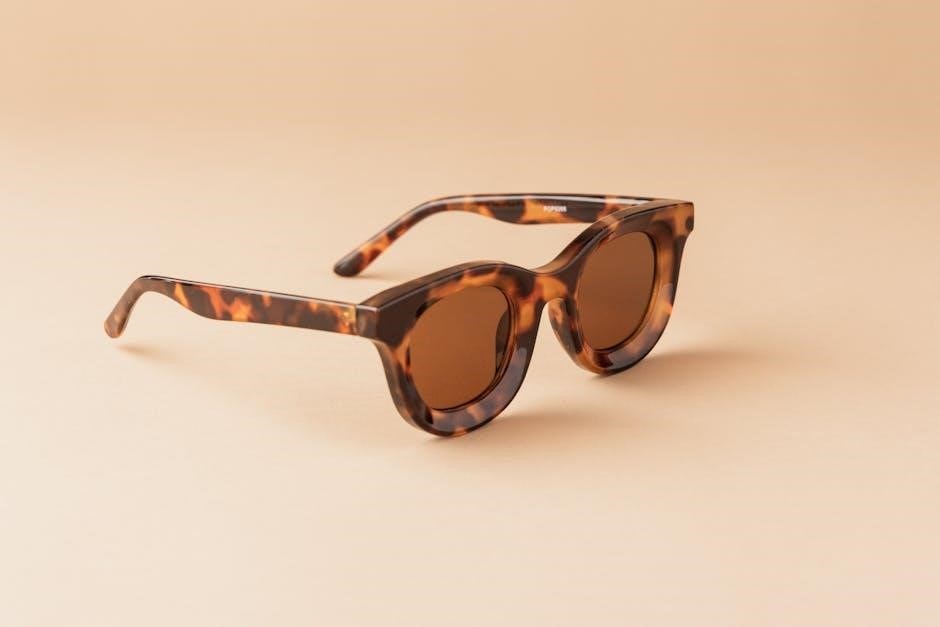
Selecting the ideal lens depends on your fishing environment; inshore versus offshore‚ water clarity‚ and depth all influence optimal color choices for enhanced visibility․
Inshore vs․ Offshore Fishing Considerations
Inshore fishing‚ often in shallower waters with varying light conditions‚ benefits from versatile lens colors like amber or copper․ These enhance contrast‚ allowing you to spot fish and structure in murky or changing light․ Brown or amber lenses are particularly effective for filtering out blue light‚ improving clarity in these environments․
Offshore fishing‚ typically in brighter‚ more open waters‚ demands lenses that excel at glare reduction․ Gray‚ green‚ or blue lenses are ideal choices․ Blue lenses specifically minimize glare from the water’s surface‚ while green lenses offer true color perception and reduce eye strain during long days at sea․ Mirrored coatings further amplify glare protection in intense sunlight‚ crucial for spotting subtle movements below the surface․
Water Clarity & Depth Impact on Lens Choice
Water clarity significantly influences lens selection․ In clear water‚ gray or green lenses maintain true color perception and reduce overall brightness without distorting underwater visibility․ For murky or stained water‚ amber‚ brown‚ or copper lenses excel at boosting contrast‚ helping you penetrate the reduced clarity and spot fish․
Fishing depth also plays a role․ Shallower waters benefit from lenses that enhance contrast to see structure and fish closer to the surface․ Deeper water requires lenses that cut glare and maintain color accuracy to identify fish at greater depths․ Polarized lenses are essential in all conditions‚ cutting reflected light and allowing you to see below the surface‚ regardless of clarity or depth․

Beyond Color: Additional Features to Consider
Comfort‚ fit‚ and durability are paramount; consider frame materials like TR90․ Prioritize UV protection for eye health‚ and look for anti-reflective‚ scratch-resistant coatings․
Frame Material & Fit
Selecting the right frame material significantly impacts comfort and durability‚ especially in harsh saltwater environments․ TR90 nylon is a popular choice‚ known for its lightweight nature‚ flexibility‚ and resistance to cracking from temperature fluctuations․ Plastic frames offer affordability but may lack the robustness of TR90 or metal alloys․
A secure and comfortable fit is equally crucial․ Ill-fitting sunglasses can cause discomfort‚ slip during activity‚ and reduce peripheral vision․ Consider features like adjustable nose pads and temple tips to customize the fit to your face shape․ Lens width‚ bridge size‚ and temple length are key measurements to ensure a proper fit – 56mm‚ 17mm‚ and 145mm are common dimensions for a unisex fit․ Prioritize a snug‚ yet not overly tight‚ feel for all-day wear on the water․
UV Protection & Eye Health
Protecting your eyes from harmful ultraviolet (UV) radiation is paramount‚ regardless of the lens color chosen․ Prolonged exposure to UV rays can lead to cataracts‚ macular degeneration‚ and other serious eye conditions․ Ensure your sunglasses offer 100% UV protection‚ blocking both UVA and UVB rays․
Beyond UV blocking‚ sunglasses provide crucial physical protection against wind‚ dust‚ and flying debris encountered during fishing․ This is especially important when boating or casting․ Look for sunglasses with impact-resistant lenses‚ like polycarbonate‚ to safeguard against potential injuries․ Features like blue light protection can also reduce eye strain‚ particularly during extended use․ Prioritizing eye health ensures long-term vision and enjoyment of your angling pursuits․