Understanding Children’s Helmet Sizes
Ensuring a secure fit is paramount for children’s safety; head circumference dictates proper sizing, varying by age and brand․
Accurate measurements are key to protection!
Why Proper Helmet Fit is Crucial
A correctly fitted helmet is the single most important factor in protecting your child during any activity․ It’s not simply about meeting legal requirements; it’s about minimizing the risk of serious head injury․ A helmet that’s too large won’t stay securely on the head during a fall or impact, rendering it ineffective․ Conversely, a helmet that’s too small will be uncomfortable and may not provide adequate coverage․
Proper fit ensures the helmet absorbs impact forces as designed, distributing the energy and protecting the vulnerable skull․ Ignoring fit can lead to concussions, fractures, or even more severe traumatic brain injuries․ Prioritizing a snug, stable fit is a vital investment in your child’s well-being and peace of mind․
The Risks of an Improperly Fitted Helmet
An ill-fitting helmet dramatically increases the potential for head injuries․ If too loose, it can shift during impact, leaving the skull exposed and negating its protective benefits․ This can result in concussions, skull fractures, and potentially life-altering traumatic brain injuries․ A helmet that’s too tight can cause discomfort, distraction, and even impede vision, increasing the risk of accidents․
Furthermore, improper fit can compromise the helmet’s structural integrity during a crash․ The energy from the impact won’t be effectively dispersed, concentrating force on specific areas of the head․ Always prioritize a secure, snug fit to maximize protection and minimize these serious risks․
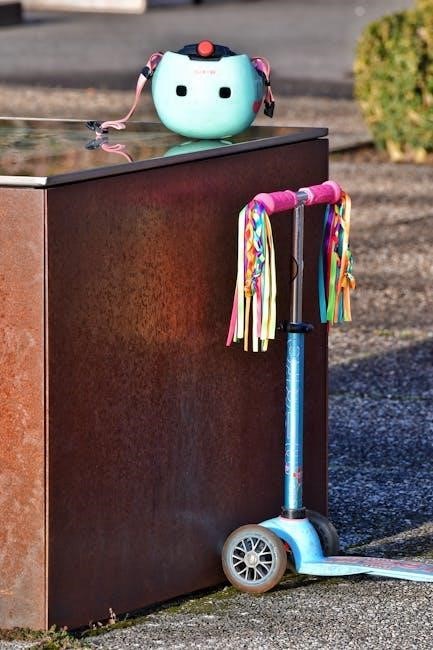
Measuring Your Child’s Head
Accurate head circumference is vital for selecting the correct helmet size․ Use a flexible measuring tape, positioning it one inch above the eyebrows for precision․
Tools You’ll Need for Accurate Measurement
For precise helmet sizing, gathering the right tools is essential․ A flexible measuring tape is the primary instrument; fabric or plastic versions work best, conforming easily to your child’s head shape․ Avoid metal tapes, as they lack flexibility․ A helper can be incredibly useful, especially with wiggly children, to ensure the tape remains level and secure․
A mirror can aid in visually confirming the tape’s position, particularly when self-measuring․ It’s also helpful to have a pen and paper readily available to record the measurement immediately, preventing errors or the need to re-measure․ Finally, a clear understanding of where to position the tape – approximately one inch above the eyebrows, circling the fullest part of the head – is crucial for obtaining an accurate circumference․
Step-by-Step Head Circumference Measurement Guide
Begin by having your child stand or sit still, facing forward․ Position the measuring tape approximately one inch above the eyebrows, circling the head․ Ensure the tape is level, passing around the fullest part of the head – typically, just above the ears․ Don’t pull the tape too tightly; a snug, but comfortable fit is ideal․
Read the measurement where the end of the tape meets the starting point․ Record this number in centimeters or inches․ Repeat the measurement two or three times to ensure consistency and accuracy․ If measurements vary, use the largest one as your guide for selecting the appropriate helmet size․
Measuring Multiple Times for Consistency
Achieving a precise head circumference is crucial for helmet safety․ Human error is common, so repeating the measurement several times minimizes inaccuracies․ Aim for at least three measurements, ensuring consistent tape placement each time – one inch above the eyebrows and around the fullest part of the head․
If the measurements differ slightly, don’t average them․ Instead, always utilize the largest measurement recorded․ This guarantees the helmet won’t be too small, potentially compromising safety․ Consistent measurements build confidence in selecting the correct size, providing optimal protection for your child during activities․
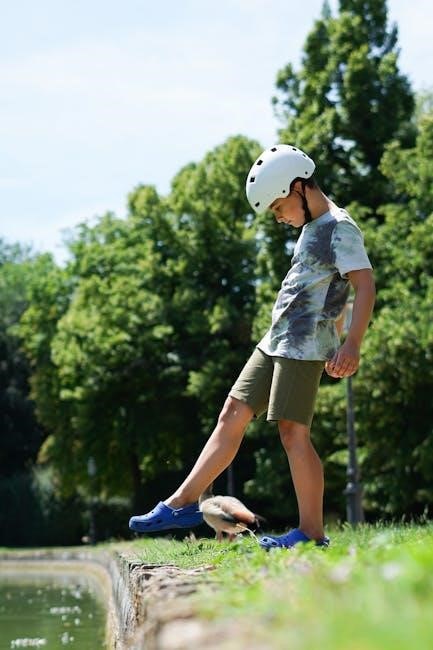
Children’s Helmet Size Charts
Refer to comprehensive size guides, utilizing both centimeters and inches, to determine the appropriate helmet size for infants, toddlers, and growing children․
General Children’s Helmet Size Guide (cm/inches)
A foundational understanding of general sizing is crucial․ Typically, helmets are categorized by head circumference, offering a broad starting point for selection․ Extra Small (XS) generally fits heads measuring 53-54cm (approximately 20․9-21․3 inches)․ Small (S) accommodates 55-56cm (21․7-22 inches)․ Medium (M) is designed for 57-58cm (22․4-22․8 inches)․ Large (L) fits 59-60cm (23․2-23․6 inches)․ Extra Large (XL) suits heads measuring 61-62cm (24-24․4 inches), and finally, Double Extra Large (XXL) fits 63-64cm (24․8-25․2 inches)․
However, these are averages; brand variations exist, so always consult specific charts․ Remember that a snug, but comfortable, fit is essential for optimal protection․ Prioritize accurate head measurement for the best results!
Infant & Toddler Helmet Sizes (Under 2 Years)
Sizing for infants and toddlers requires particular attention․ Head growth is rapid during this stage, demanding frequent checks․ Typically, babies and toddlers (under 2 years) fall into sizes ranging from 47-51cm (approximately 18․5-20․1 inches)․ A common size is Small (S) at 49-50cm (19․3-19․7 inches)․
Finding a secure fit is vital, as these young children have less neck strength․ Ensure the helmet doesn’t wobble or slide easily․ Adjustable dials and padding are incredibly helpful․ Always prioritize safety certifications (CPSC, ASTM) when selecting a helmet for this age group․ Regular measurement is key!
Preschooler Helmet Sizes (2-5 Years)
Preschoolers (ages 2-5) experience continued head growth, necessitating regular size checks․ Common helmet sizes for this age group generally range from 51-55cm (approximately 20․1-21․7 inches)․ Many children will fit into a Medium (M) size, typically around 53-54cm (20․9-21․3 inches)․
A snug, yet comfortable fit is crucial․ Ensure the helmet sits level on the head, covering the forehead․ Adjustable features, like dials and padding, are essential for a customized fit․ Prioritize helmets meeting safety standards (CPSC, ASTM)․ Remember, a properly fitted helmet significantly reduces injury risk during play․
School-Age Child Helmet Sizes (5-12 Years)
Children aged 5-12 exhibit diverse head sizes, requiring precise measurements․ Typical helmet sizes fall between 55-60cm (approximately 21․7-23․6 inches)․ Many will initially fit a Large (L) around 57-58cm (22․4-22․8 inches), transitioning to an XL as they grow․
Consistent fit checks are vital, as growth spurts are common․ Ensure the helmet doesn’t move excessively when the child shakes their head․ Adjustable systems are key for maintaining a secure and comfortable fit․ Prioritize helmets with safety certifications and encourage responsible helmet use during all activities․
Teen Helmet Sizes (13+ Years)
Teenagers often experience rapid head growth, making accurate sizing crucial․ Most teens will require helmet sizes ranging from Large (59-60cm / 23․2-23․6 inches) to Extra Large (61-62cm / 24-24․4 inches), and even XXL (63-64cm / 24․8-25․2 inches) for some․
It’s essential to measure regularly, as a properly fitted helmet is paramount for safety․ Encourage teens to prioritize safety and understand the importance of a snug, yet comfortable fit․ Adjustable features are beneficial, and selecting a helmet meeting safety standards (CPSC, ASTM) is non-negotiable․

Helmet Size Variations by Brand
Sizing isn’t universal; HJC ranges from XS (53-54cm) to XXL (63-64cm), while Venom Boxing offers S (49-50cm) to L (51-52cm) options․
HJC Helmet Size Chart
HJC offers a comprehensive range of sizes to accommodate various head circumferences, ensuring a secure and comfortable fit for young riders․ Their sizing chart begins with Extra Small (XS), designed for heads measuring between 53 and 54 centimeters․ Small (S) helmets fit head sizes ranging from 55 to 56 centimeters, providing a snug yet comfortable experience․
Moving up, Medium (M) helmets are tailored for those with head circumferences of 57 to 58 centimeters, while Large (L) helmets comfortably accommodate heads measuring 59 to 60 centimeters․ For larger children and teens, HJC provides Extra Large (XL) helmets, fitting head sizes from 61 to 62 centimeters․ Finally, the largest size, Double Extra Large (XXL), is designed for head circumferences between 63 and 64 centimeters․
It’s crucial to accurately measure your child’s head before selecting an HJC helmet to guarantee optimal protection and comfort during their riding adventures․
Venom Boxing Helmet Size Chart
Venom boxing helmets prioritize safety and fit for young athletes, offering a size range designed to securely protect developing heads․ Their sizing typically begins with Small (S), ideally suited for head circumferences measuring between 49 and 50 centimeters․ Moving up, Medium (M) helmets comfortably fit head sizes ranging from 51 to 52 centimeters, providing essential protection during training and sparring․
For larger children, Venom offers larger sizes to ensure a proper fit․ While specific upper limits aren’t always detailed, it’s vital to consult Venom’s official sizing guide for the most accurate information․ A snug, but not overly tight, fit is crucial for optimal protection․
Accurate measurement is key when selecting a Venom boxing helmet, guaranteeing your child receives the necessary head protection during their boxing journey․
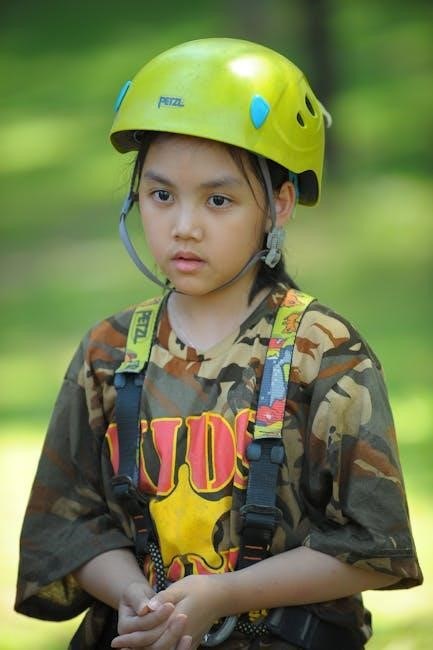
Helmet Features Affecting Fit
Adjustable systems, chin straps, and ventilation all impact helmet fit and comfort․ These features ensure a secure, stable, and pleasant experience for young users․
Adjustable Fit Systems (Dials & Pads)
Modern children’s helmets frequently incorporate adjustable fit systems to fine-tune the helmet’s snugness․ These systems typically involve a dial at the back of the helmet, allowing parents or children to tighten or loosen the fit with ease․ Turning the dial adjusts an internal cradle that conforms to the head’s shape․
Additionally, many helmets include removable and interchangeable padding․ These pads come in varying thicknesses, enabling customization for a more precise and comfortable fit․ Strategically placed pads fill gaps and enhance stability․
Proper adjustment is crucial; the helmet should feel snug but not overly tight, ensuring it doesn’t shift during activity․ Regularly check and readjust the fit system as the child grows, maintaining optimal protection and comfort throughout use․
Chin Straps and Their Importance
The chin strap is a critical component of any helmet, securing it firmly on the child’s head during impact․ A properly adjusted chin strap prevents the helmet from rocking forward, backward, or sideways, maximizing protection․ The strap should form a “V” shape under the ears, with the buckle positioned comfortably against the chin․
Ensure the strap is snug enough that you can fit no more than one or two fingers between the strap and the chin․ Avoid overtightening, which can cause discomfort and restrict breathing․
Regularly check the chin strap for wear and tear, ensuring the buckle functions correctly and the webbing remains intact․ A secure chin strap, combined with a proper fit, is essential for effective helmet performance and child safety․
Ventilation and its Impact on Comfort
Adequate ventilation is crucial for a comfortable helmet experience, especially during physical activity․ Vents allow airflow, dissipating heat and reducing sweating, which can cause distraction and discomfort for the child․ More vents generally mean better cooling, but may slightly compromise structural integrity․
Look for helmets with adjustable vents, allowing you to customize airflow based on weather conditions and activity level․
Consider the vent placement and design; strategically positioned vents maximize airflow․ While comfort is important, prioritize a secure fit above extensive ventilation․ A slightly warmer, well-fitted helmet is safer than a cool, loose-fitting one․ Proper ventilation enhances comfort, encouraging consistent helmet use․
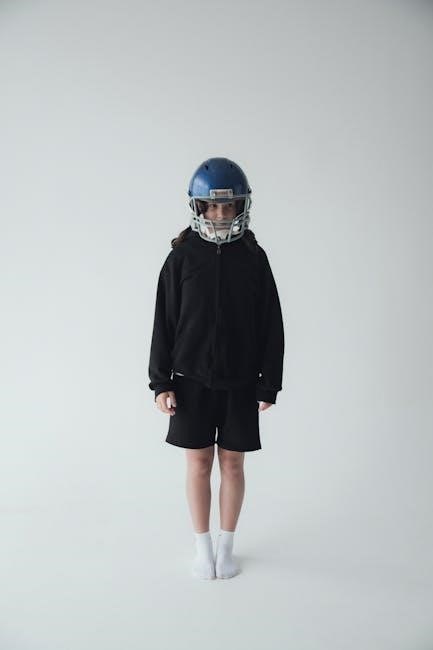
Trying on the Helmet
Post-measurement, a practical fit test is essential․ Ensure a snug, level fit without excessive tightness; stability is key for optimal protection during activities․
The “Two-Finger Rule” for Fit
A widely recommended method for assessing helmet fit is the “two-finger rule․” Once the helmet is securely fastened with the chin strap, gently attempt to move the helmet from side to side and front to back․ If the helmet shifts noticeably, it’s likely too large․ Ideally, you should be able to fit no more than two fingers between your child’s eyebrow and the helmet’s front edge․
This ensures adequate forehead coverage and prevents the helmet from sliding backward during an impact․ Remember, a snug fit is crucial, but it shouldn’t be uncomfortably tight․ The helmet should feel secure without causing pressure points․ Always prioritize a proper fit over simply choosing a size based on age or head circumference alone, as variations exist․
Checking for Front-to-Back Stability
After adjusting the fit system, assess the helmet’s stability by gently grasping it and attempting to rotate it forward and backward․ The helmet should remain firmly in place, resisting movement․ If you can easily rotate the helmet so that the front edge covers the eyebrows or exposes the forehead significantly, the fit is inadequate․
A secure front-to-back fit is vital to protect the forehead and temples during an impact․ Ensure the helmet doesn’t tilt excessively in either direction․ Proper positioning keeps the protective shell covering the correct areas of the head․ Re-adjust the internal padding or chin strap if necessary to achieve optimal stability․
Side-to-Side Movement Assessment
Following the front-to-back check, evaluate the helmet’s stability from side to side․ Gently grasp the helmet and attempt to move it laterally – from ear to ear․ Similar to the previous test, minimal movement is desired․ Excessive side-to-side motion indicates the helmet is too loose and won’t provide adequate protection during a collision․
A snug, secure fit prevents the helmet from shifting and exposing vulnerable areas of the head․ Adjust the fit system’s side straps or internal padding to minimize any lateral movement․ Confirm the helmet remains level and doesn’t wobble noticeably․ Prioritize a stable fit for optimal safety․
Helmet Types and Sizing Considerations
Different activities necessitate specific helmet designs; bicycle, skateboard, and motorcycle helmets have unique sizing nuances for optimal protection and a secure fit․
Bicycle Helmets: Specific Sizing Notes
Bicycle helmets generally follow standard size charts, but variations exist․ Prioritize a snug fit – not too tight, nor too loose․ Many bicycle helmets feature adjustable fit systems, like dials and padding, allowing for fine-tuning․ Ensure the helmet sits level on the head, covering the forehead․
When trying on a bicycle helmet, check for stability․ The helmet shouldn’t rock forward, backward, or side-to-side․ Proper ventilation is also crucial for comfort during rides․ Remember to consider the child’s hair; a thicker hairstyle may require a slightly larger size․ Always refer to the manufacturer’s specific sizing guide for the most accurate fit, as sizes can differ between brands․ Regularly reassess the fit as your child grows․
Skateboard/Scooter Helmets: Fit Differences
Skateboard and scooter helmets often have a rounder, lower-profile shape compared to bicycle helmets․ This design provides more coverage for the back of the head, crucial for falls common in these activities․ Fit is still paramount; a snug, secure fit prevents movement during impact․
Like bicycle helmets, adjustable fit systems are common․ Pay close attention to the chin strap, ensuring it’s properly adjusted to prevent the helmet from shifting․ Skateboard/scooter helmets frequently prioritize ventilation due to the higher intensity of activity․ Always check for safety certifications (CPSC, ASTM) to ensure the helmet meets safety standards․ Regularly inspect the helmet for any signs of damage or wear․
Motorcycle Helmets: Detailed Sizing Information
Motorcycle helmets require the most precise fit due to higher impact speeds․ Measurements are critical; use a flexible measuring tape and measure the largest circumference of the head․ Refer to the manufacturer’s size chart, as variations exist – for example, HJC charts list sizes based on centimeters (XS: 53-54cm, S: 55-56cm, etc․)․
A snug fit is essential; the helmet shouldn’t move easily on the head; Check for pressure points․ Ensure the chin strap is securely fastened․ Motorcycle helmets often have multiple shell sizes for a better fit across a wider range of head sizes․ Always prioritize safety certifications and professional fitting when possible․

When to Replace a Child’s Helmet
Replace helmets after any impact, even without visible damage, and as children grow․ Inspect shells regularly for degradation; safety first!
After an Impact, Regardless of Visible Damage
A helmet’s protective capabilities are compromised after a crash, even if no cracks or dents are apparent․ The impact-absorbing foam liner, crucial for dispersing force, undergoes compression and structural changes during a collision․ This internal damage isn’t always visible to the naked eye, rendering the helmet less effective in future incidents․
Therefore, it’s essential to replace a helmet immediately following any impact, regardless of how minor it seems․ Continuing to use a helmet that has sustained a blow puts your child at significant risk of head injury․ Don’t attempt to repair or reuse a damaged helmet; its integrity is permanently affected․ Prioritize safety and invest in a new helmet to ensure continued protection․
As Your Child Grows
Children’s heads grow rapidly, necessitating regular helmet size checks․ A helmet that fit perfectly six months ago may now be too small, compromising its protective function․ It’s crucial to reassess the fit every few months, particularly during growth spurts․ A properly fitted helmet shouldn’t move excessively on the head, and the chin strap should be snug but comfortable․
Don’t assume a helmet will “grow with” your child; it’s better to purchase a slightly larger helmet and utilize adjustable fit systems to fine-tune the fit․ Avoid buying a helmet that’s intentionally too large, anticipating future growth, as this defeats the purpose of proper protection․ Prioritize a secure, comfortable fit now․
Checking for Shell Degradation
Over time, the materials in a helmet can degrade, even without an impact․ Exposure to sunlight, temperature fluctuations, and general wear and tear can weaken the shell’s protective capabilities․ Regularly inspect the helmet’s exterior for cracks, dents, or any signs of delamination – where the layers of the shell separate․
Pay close attention to the foam liner; if it feels compressed or brittle, the helmet’s ability to absorb impact is diminished․ Even if there’s no visible damage, a helmet that’s several years old should be replaced․ Consider the helmet’s lifespan – typically 3-5 years with regular use – and prioritize safety by replacing it proactively․
Resources for Further Information
Explore CPSC and ASTM safety standards, retailer sizing guides, and seek professional fittings for optimal helmet selection and a secure, comfortable fit․
Safety Certification Standards (CPSC, ASTM)
Understanding safety certifications is crucial when selecting a child’s helmet․ The U․S․ Consumer Product Safety Commission (CPSC) sets mandatory standards for bicycle helmets, ensuring they meet specific impact and structural integrity requirements․ Helmets passing CPSC testing display a CPSC sticker․
Additionally, the American Society for Testing and Materials (ASTM) develops voluntary standards for various helmet types, including those for skateboarding and multi-sport activities․ While not legally required like CPSC, ASTM certification indicates a higher level of testing and performance․
Always prioritize helmets bearing either CPSC or ASTM certification to guarantee a baseline level of protection․ Checking for these labels provides assurance that the helmet has undergone rigorous testing to help mitigate head injuries during recreational activities․
Online Retailer Sizing Guides
Many online retailers offer detailed sizing guides to assist in helmet selection․ These guides typically include head circumference charts, often presented in both centimeters and inches, mirroring general sizing recommendations․ However, remember that variations exist between brands – always consult the specific brand’s chart․
Look for retailers providing interactive sizing tools or virtual try-on features, though these aren’t always precise․ Customer reviews can offer valuable insights into fit accuracy․ Pay close attention to any notes regarding a brand’s tendency to run small or large․
Utilize multiple retailer guides for comparison, and don’t hesitate to contact customer support for personalized assistance before making a purchase․ Accurate online sizing is vital for a safe and comfortable fit;
Professional Fitting Assistance
Seeking expert advice from trained professionals ensures the most accurate helmet fit for your child․ Local bike shops, sporting goods stores, and motorcycle dealerships often provide fitting services, utilizing their expertise and a range of helmet brands and sizes․
A professional fitter will precisely measure your child’s head, assess the helmet’s stability, and adjust the fit system for optimal comfort and security․ They can identify potential issues, like pressure points or improper strap adjustment․
Don’t underestimate the value of hands-on guidance․ A properly fitted helmet significantly enhances protection․ Professional fitting is especially recommended for first-time helmet buyers or when transitioning to a new helmet type․