Riding Arena Size Guide: A Comprehensive Overview
This guide details crucial aspects of riding arena dimensions, encompassing standard sizes like 20x60m, and considerations for diverse disciplines and horse training needs․
Understanding Arena Dimensions
Arena dimensions are fundamental to safe and effective equestrian activities․ A standard horse riding arena typically measures 20×60 meters, providing ample space for various maneuvers․ However, optimal size varies based on discipline – dressage, jumping, or western riding – and the height requirements differ for pedigree, working, or commercial stud farm horses, ranging from 2․4m to 3m․ Careful planning ensures suitability․
Standard Arena Sizes: The 20x60m Benchmark
The 20×60 meter arena is widely recognized as the standard for general horse riding purposes․ This dimension offers a versatile space suitable for training and practicing fundamental skills across multiple disciplines․ While adaptable, it serves as a reliable benchmark, often sheltered by structures like a 24x68m frame tent, providing a consistent and practical riding environment for both horse and rider․
Arena Sizes for Different Disciplines
Arena dimensions vary significantly based on equestrian discipline․ Dressage benefits from rectangular arenas, while jumping requires space for fences and approaches․ Western riding often utilizes larger, more open areas․ Adapting the arena size to the specific discipline optimizes training and competition conditions, ensuring sufficient room for maneuvers and safe execution of required movements for both horse and rider․
Dressage Arena Sizes
Dressage arenas are typically rectangular, with standard sizes of 20x40m for lower levels and 20x60m for higher levels, including international competitions․ These dimensions facilitate precise movements and judging․ Smaller arenas may suffice for introductory training, but larger spaces are crucial for developing collection, extensions, and complex patterns, ensuring adequate room for accurate performance․
Jumping Arena Sizes
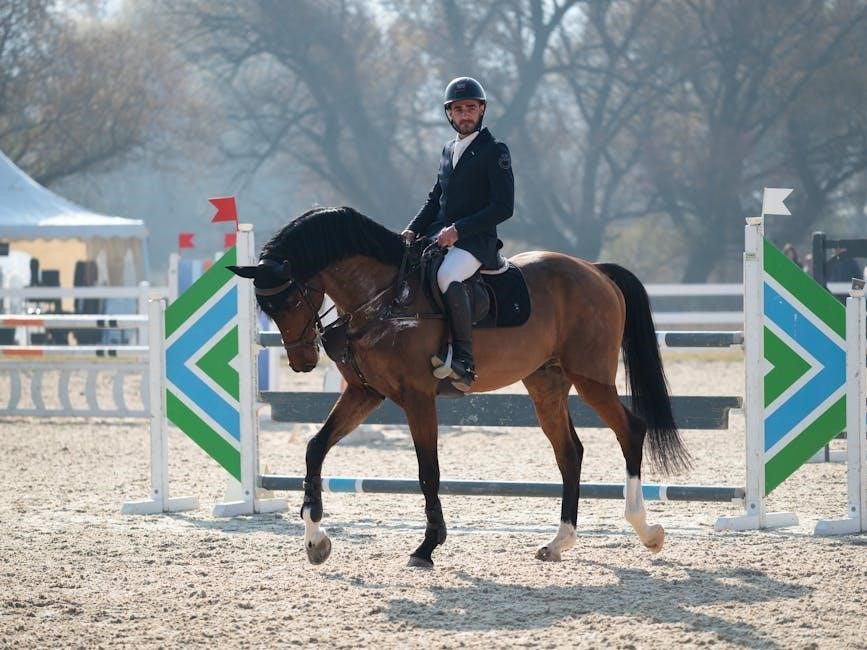
Jumping arenas require ample space for approach, takeoff, and landing, generally mirroring the 20x60m standard․ However, size can vary based on competition level․ Smaller schooling arenas may be 20x40m․ Sufficient length is vital for striding between fences, while width allows for adjustments and safe turns․ Careful consideration of fence placement and course design dictates the optimal arena dimensions for effective jumping practice․
Western Riding Arena Sizes
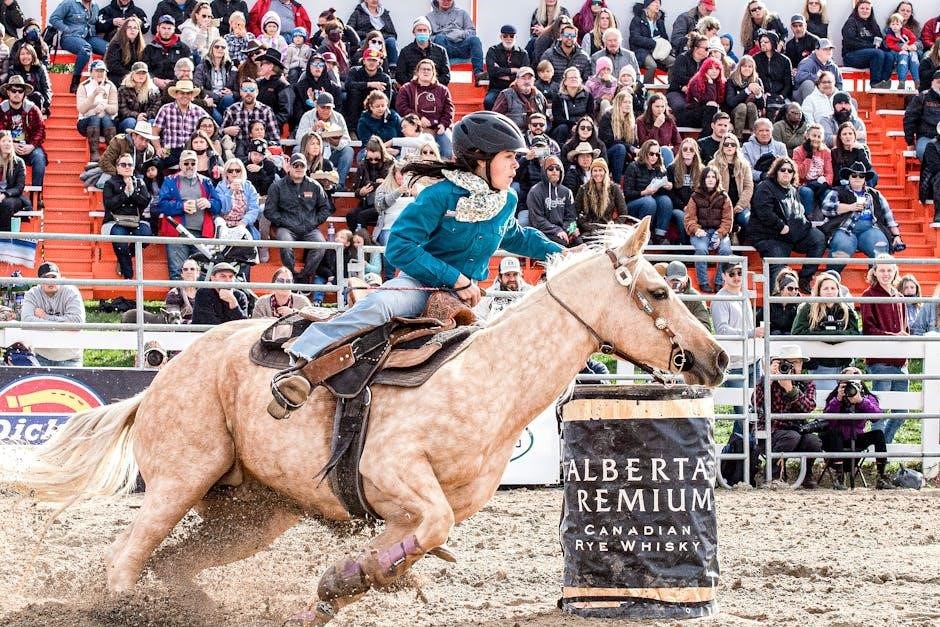
Western disciplines often utilize smaller, more compact arenas compared to English riding․ A common size is 60×120 feet (approximately 18×36․5m), suitable for events like reining and cutting․ Barrel racing benefits from even more space, potentially exceeding these dimensions․ The focus is on maneuverability and quick turns, necessitating a design that supports precise movements and responsiveness from both horse and rider․
Factors Influencing Arena Size Choice
Selecting the right arena size requires careful consideration of several key factors․ Available space and land constraints are paramount, alongside budgetary limitations for construction and materials․ Rider skill level and the horse’s training stage also play a vital role; beginners may benefit from smaller arenas, while advanced riders need ample space for complex maneuvers․ Prioritizing these elements ensures a functional and safe riding environment․
Available Space and Land Constraints
The physical dimensions of your property significantly dictate arena size possibilities․ Existing structures, property lines, and natural features like trees or slopes impose limitations․ A 24x68m frame tent requires substantial clear space․ Careful site planning is crucial to maximize usable area while adhering to local regulations and ensuring sufficient room for safe horse movement and access for maintenance equipment․
Budget Considerations for Construction
Arena construction costs vary dramatically with size and materials․ Larger arenas naturally require more materials and labor, increasing expenses․ Permanent structures are pricier than frame tents (like the 24x68m option)․ Footing quality, fencing, and lighting also contribute significantly․ Prioritizing essential features and phasing construction can help manage costs effectively, ensuring a functional arena within budgetary constraints․
Rider Skill Level and Horse Training
Arena size should align with rider experience and training goals․ Beginners may benefit from smaller arenas for focused exercises, while advanced riders and young horses require ample space for developing gaits and maneuvers․ Sufficient length is vital for long strides and circle work․ Consider future training progression when determining optimal dimensions, allowing for growth and versatility․
Arena Materials and Their Impact on Size
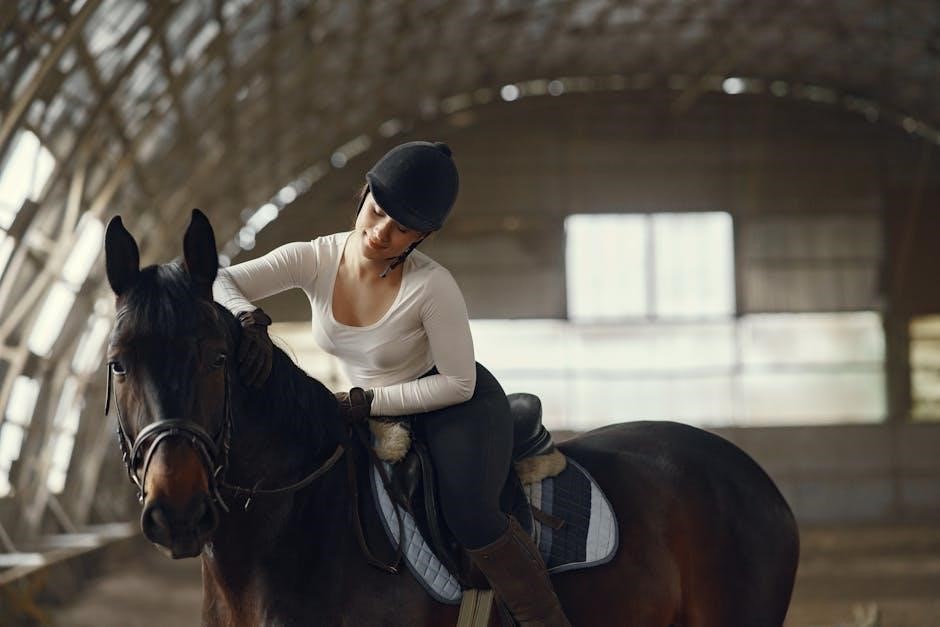
Arena footing significantly influences rideability and, consequently, optimal size perception․ Sand arenas are common, dictating standard dimensions, while clay or synthetic surfaces may necessitate slight adjustments for drainage and footing depth․ Maintaining optimal footing is crucial, impacting horse comfort and performance․ Material choice affects how space feels during riding․
Sand Arenas: Common Dimensions
Sand arenas frequently adhere to the standard 20×60 meter size, providing ample space for various equestrian activities․ This dimension balances maneuverability with practicality for most disciplines․ However, specific needs may require adjustments․ Proper sand depth and composition are vital for impact absorption and consistent footing, influencing rider and horse safety within these common dimensions․
Clay and Synthetic Arenas: Size Adjustments
Clay and synthetic arenas may necessitate slight size modifications compared to standard sand arenas․ These materials often offer enhanced footing qualities, potentially allowing for slightly smaller dimensions while maintaining rideability․ Careful consideration of drainage is crucial with clay․ Synthetic surfaces require precise leveling, impacting overall arena size and ensuring optimal performance for both horse and rider․
Arena Height Considerations
Arena height is vital for both horse and rider safety and comfort․ For pedigree horses, a height of 3 meters is recommended, while working horses thrive in arenas 2․4 meters tall․ Commercial stud farms often opt for 2․7 meters․ These heights ensure adequate clearance for jumping and general riding, preventing potential collisions and fostering a secure training environment for all equine athletes․
Height for Pedigree Horses (3m)
A 3-meter arena height is specifically recommended for pedigree horses, prioritizing their athletic capabilities and safety during training․ This increased height accommodates larger strides and higher jumps common in disciplines focused on breeding and performance․ It minimizes the risk of impact with the arena structure, ensuring a secure environment for these valuable equine athletes to reach their full potential․
Height for Working Horses (2․4m)
For arenas primarily used with working horses, a height of 2․4 meters is considered optimal․ This dimension provides sufficient clearance for everyday riding activities and training exercises without unnecessary expense․ It balances safety and practicality, catering to the needs of horses engaged in ranch work, trail riding, or general purpose disciplines, offering a functional and cost-effective solution․
Height for Commercial Stud Farms (2․7m)
Commercial stud farms benefit from an arena height of 2․7 meters․ This increased height accommodates larger horses often found in breeding operations and provides ample space for showcasing movement during evaluations․ It also supports the use of specialized equipment and allows for greater flexibility in training youngstock, ensuring a professional and versatile environment for both horses and handlers․
Arena Construction and Sheltering Options
Arena construction offers diverse sheltering solutions․ Permanent structures provide year-round protection, while cost-effective frame tents, like a 24x68m option, offer seasonal coverage․ Choosing the right structure depends on climate, budget, and intended use․ Considerations include wind resistance, drainage, and accessibility for maintenance equipment, ensuring a safe and comfortable riding environment for both horse and rider․
Frame Tents (24x68m Example)
Frame tents represent a flexible sheltering option for riding arenas․ A 24x68m tent provides substantial coverage, protecting riders and horses from the elements․ These structures are generally more affordable than permanent buildings, offering a cost-effective solution for seasonal use or temporary facilities․ Proper anchoring and ventilation are crucial for safety and stability, ensuring a secure riding space․
Permanent Arena Structures
Investing in permanent arena structures offers long-term durability and weather protection․ These buildings, constructed with materials like steel or wood, provide a consistent riding environment year-round․ Considerations include building permits, foundation requirements, and insulation for climate control․ While a larger initial investment, permanent arenas enhance facility value and offer uninterrupted training opportunities․
Arena Width and its Importance
Arena width significantly impacts rider safety and horse maneuverability․ A minimum width is essential, but optimal dimensions allow for comfortable schooling movements and tractor access for maintenance – ideally 250cm․ Insufficient width restricts transitions and lateral work, potentially causing collisions․ Prioritizing adequate width ensures a safe and productive training environment for both horse and rider․
Minimum Width Requirements
Establishing a minimum arena width is paramount for safe and effective riding․ While variations exist, a baseline of 20 meters (approximately 66 feet) is generally accepted as the absolute minimum․ This allows for basic movements, but restricts complex schooling․ Compromising on width increases the risk of collisions and hinders proper horse training, demanding careful consideration during planning․
Optimal Width for Maneuverability (250cm for tractor access)
For enhanced usability and maintenance, an optimal arena width extends beyond the minimum․ A width accommodating a 250cm (approximately 8․2 feet) tractor passage is highly recommended․ This facilitates efficient footing maintenance, leveling, and overall arena upkeep․ Greater width also provides increased rider safety and allows for more fluid, unrestricted horse movement during training and competition․
Arena Length and its Impact on Riding
Arena length significantly influences the quality of training and riding experiences․ Sufficient length is vital for allowing horses to execute long, extended strides, crucial for developing impulsion and athleticism․ Consider ample space for performing accurate circle work at various diameters․ A longer arena generally enhances versatility, accommodating diverse disciplines and rider skill levels effectively․
Sufficient Length for Long Strides
Adequate arena length is paramount for developing a horse’s natural gaits and promoting proper biomechanics․ Horses require sufficient space to stretch out and express themselves fully during extended work․ A longer arena facilitates the development of impulsion, balance, and overall athleticism, allowing for confident, flowing movements without constraint․
Considerations for Circle Work
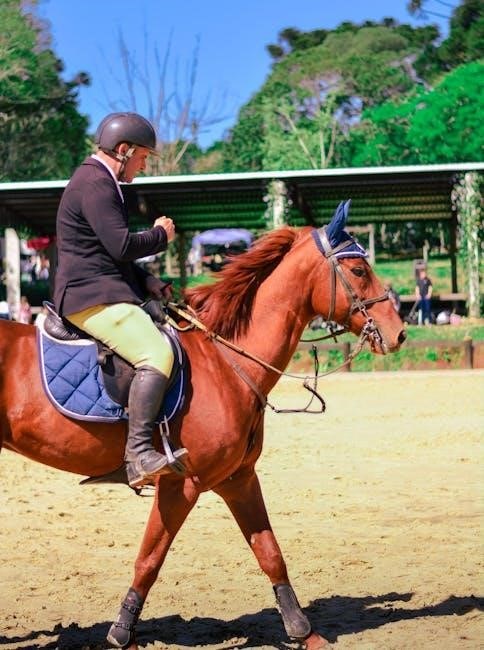
Arena length significantly impacts the feasibility of performing accurate and balanced circle work․ Larger arenas accommodate bigger circles, crucial for advanced training and evaluating a horse’s suppleness and responsiveness․ Conversely, shorter arenas may necessitate smaller circles, potentially hindering the development of true collection and requiring more frequent changes of direction․
Arena Fencing and Safety Zones
Robust fencing is paramount for rider and equine safety․ Fencing height should deter horses from jumping or leaning, utilizing materials like wood, vinyl, or specialized equestrian fencing․ Establishing safety zones around the arena is equally vital, providing ample space to prevent collisions and ensuring a secure environment for both horses and handlers during training or competition․
Fencing Height and Materials
Appropriate fencing height is crucial for horse containment and safety, preventing escapes and minimizing injury risk․ Common materials include sturdy wood, durable vinyl, and specialized equestrian fencing options․ Height selection depends on horse size and temperament, but generally, a minimum of 1․2 to 1․5 meters is recommended․ Prioritize visibility and impact absorption in material choices․
Safety Zones Around the Arena
Establishing clear safety zones surrounding the arena is paramount for rider and horse wellbeing․ These zones should extend at least several meters beyond the fencing, free from obstructions like trees or equipment․ This buffer space allows for safe maneuvering during unexpected dismounts or runaways, minimizing potential collisions and injuries․ Regular inspection of these areas is vital․

Arena Lighting and Visibility
Adequate lighting is crucial for safe evening rides and consistent training․ Systems should provide uniform illumination across the entire arena surface, eliminating shadows that can startle horses․ Glare reduction techniques, such as shielded fixtures, are essential to prevent rider discomfort and maintain optimal visibility․ Proper lighting enhances safety and extends arena usability․
Adequate Lighting for Evening Rides
Extending riding hours requires well-planned arena illumination․ Systems must deliver sufficient lux levels for clear visibility, ensuring rider and horse safety during darker periods․ Consider the arena’s size and shape when positioning lights to avoid shadows․ Consistent, bright lighting promotes confident riding and effective training sessions after sunset, maximizing arena use․
Glare Reduction Techniques
Effective arena lighting minimizes glare for both horses and riders․ Utilizing shielded fixtures directs light downwards, preventing harsh beams․ Diffusers soften light output, reducing eye strain and improving visibility․ Proper positioning and angling of lights are crucial, alongside matte surface treatments to diminish reflections․ These techniques enhance safety and comfort during evening rides․
Arena Drainage and Footing Quality
Optimal arena performance hinges on superior drainage and footing․ Proper drainage prevents waterlogging, maintaining consistent footing depth․ Effective systems swiftly remove rainwater, avoiding muddy conditions․ Footing depth is critical; regular maintenance ensures ideal compaction and cushioning․ A well-drained arena safeguards horse health and enhances rideability, promoting safety and performance․
Importance of Proper Drainage
Effective drainage is paramount for a functional riding arena․ Without it, arenas quickly become unusable due to water accumulation․ Poor drainage leads to deep, unstable footing, increasing the risk of slips and injuries for both horse and rider․ A well-designed drainage system swiftly removes rainwater, preserving footing quality and extending arena usability throughout the year․
Maintaining Optimal Footing Depth
Consistent footing depth is vital for horse comfort and performance․ Regularly harrowing and topping the arena surface ensures a uniform depth, preventing hard spots or overly deep areas․ Optimal depth varies by material, but generally ranges between 3-6 inches․ Monitoring and adjusting footing depth maintains consistent shock absorption and supports athletic movement, minimizing strain on the horse’s legs․
Arena Maintenance and Upkeep
Proactive maintenance extends arena lifespan and ensures rider/horse safety․ Regular footing maintenance – harrowing, rolling, and topping – is crucial․ Consistent fence inspections identify and address damage promptly․ Drainage systems require periodic clearing to prevent waterlogging․ Addressing issues quickly prevents costly repairs and maintains optimal riding conditions, safeguarding both equine athletes and riders․
Regular Footing Maintenance
Consistent footing upkeep is paramount for horse comfort and performance․ This includes daily harrowing to loosen and aerate the surface, regular rolling to create a firm base, and periodic topping with new material to maintain optimal depth․ Addressing compaction and unevenness prevents injuries and ensures consistent footing quality for all disciplines․
Fence Inspections and Repairs
Routine fence checks are vital for horse safety within the arena․ Inspect posts for stability, rails for damage, and ensure proper tension throughout the fencing system․ Promptly repair any broken or weakened sections to prevent escapes or injuries․ Maintaining a secure perimeter is non-negotiable for responsible arena management and horse wellbeing․
Arena Planner Tools and Resources
Effective arena planning benefits greatly from specialized tools․ The Kneilmann Riding Arena Planner TYPE 2 Professional offers detailed design assistance, crucial for optimizing space and functionality․ These resources aid in visualizing layouts, calculating material needs, and ensuring adherence to dimensional standards, ultimately streamlining the construction process for a safe and effective arena․
Kneilmann Riding Arena Planner TYPE 2 Professional
The Kneilmann TYPE 2 Professional planner is a NEW, invaluable resource for arena design․ It assists in creating optimal layouts, considering factors like maneuverability and tractor access with a standard width of 250cm․ This tool supports professional-grade planning, ensuring efficient space utilization and adherence to required dimensions for various riding disciplines․
Beyond the Arena: Hippodrome Course Length (1800m)
While focused on enclosed riding spaces, understanding broader equestrian facilities is valuable․ A typical hippodrome course features an 1800-meter race track, alongside a separate running track․ This highlights the scale of equestrian sports beyond arena work, demonstrating the diverse needs for space and specialized course design in competitive events․
Integrating Technology for Arena Management
Modern arena management benefits greatly from technological integration․ Utilizing apps allows for efficient tracking of arena usage, scheduling, and maintenance needs․ This includes monitoring footing quality and coordinating repairs․ Such tools streamline operations, ensuring optimal conditions for both horses and riders, maximizing the lifespan of the facility․
Utilizing Apps for Tracking Usage and Maintenance
Dedicated applications revolutionize arena upkeep․ These tools facilitate scheduling rides, monitoring footings, and logging maintenance tasks like fence inspections․ They offer data-driven insights into arena usage patterns, enabling proactive maintenance and preventing costly repairs․ Efficient tracking ensures consistent quality and extends the arena’s lifespan, benefiting all users․