Pennsylvania Residential Pool Regulations: A Comprehensive Guide
Pennsylvania’s pool regulations, found in the Pennsylvania Uniform Construction Code (PUCC) and related documents, ensure safety and sanitation for residents․
Pennsylvania’s commitment to public safety is evident in its comprehensive pool regulations, primarily governed by the Pennsylvania Uniform Construction Code (PUCC)․ These regulations apply to both in-ground and above-ground residential pools, hot tubs, and spas, aiming to minimize risks associated with drowning and injuries․ Understanding these rules is crucial for pool owners, builders, and local municipalities․
The PUCC, as amended, details requirements for barriers, safety equipment, water quality, electrical safety, and permitting processes․ Compliance ensures a safe recreational environment, protecting families and communities․ Resources like UpCodes and the Pennsylvania Department of Labor & Industry provide access to the current code․
Understanding the Pennsylvania Uniform Construction Code (PUCC)
The Pennsylvania Uniform Construction Code (PUCC) serves as the foundation for pool safety regulations within the state․ It’s a regularly updated set of guidelines encompassing all aspects of pool construction, installation, and maintenance․ The PUCC dictates standards for barrier height, gate mechanisms, drain covers, and water chemistry, ensuring consistent safety measures across Pennsylvania․
Amendments and interpretations are crucial; staying current with the latest version is vital․ Local municipalities may have additional requirements, building upon the PUCC’s baseline․ Accessing the PUCC through the Pennsylvania Department of Labor & Industry and resources like UpCodes is essential for compliance․
Pool Barrier Requirements
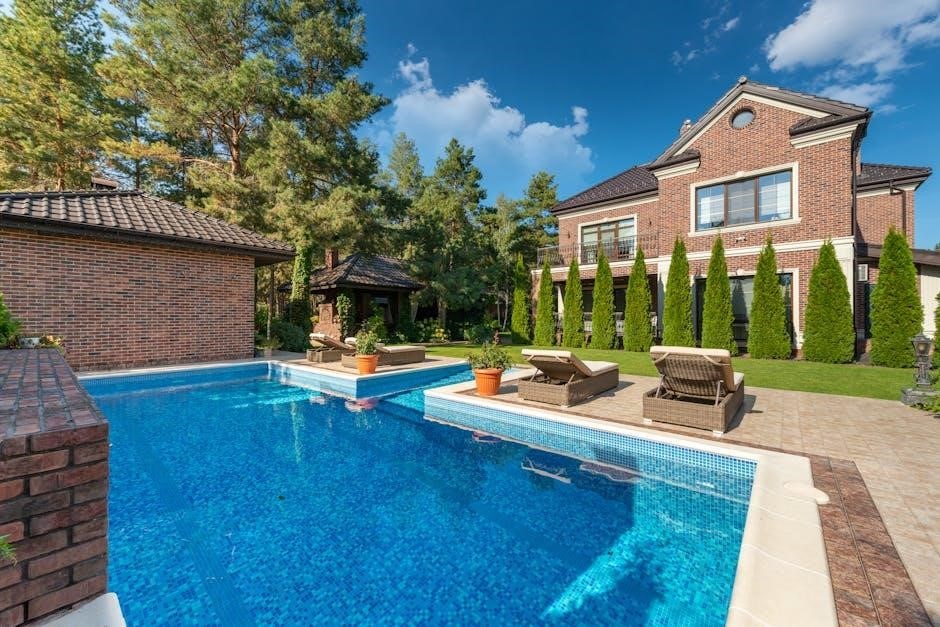
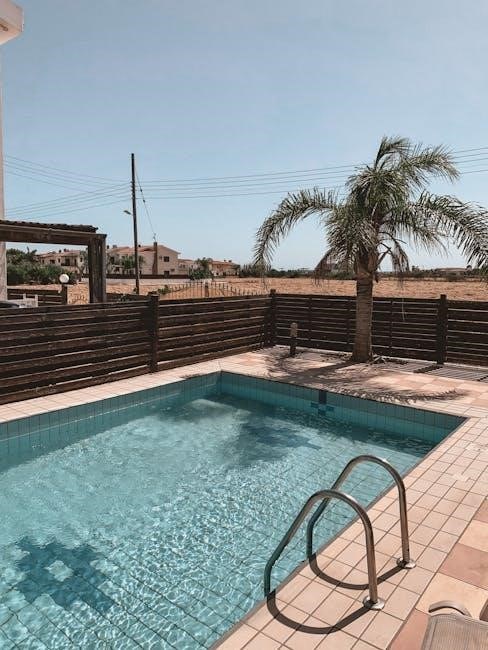
Pennsylvania mandates pool barriers—fences or walls—to prevent unsupervised access, protecting children and vulnerable individuals from drowning hazards around residential pools․
Fence Height and Material Specifications
Pennsylvania’s pool fence regulations prioritize safety through specific height and material standards․ Barriers must be a minimum of 48 inches above grade, effectively deterring climbing․ Fences require non-climbable designs, preventing easy access for children․ Materials must withstand weather conditions and maintain structural integrity․ Chain-link is permissible, but openings must not exceed 2 inches․ Pool enclosures constructed of masonry or concrete walls must meet similar height requirements and be free of any footholds or handholds․ These specifications, detailed within the Pennsylvania Uniform Construction Code, aim to create a robust and reliable barrier around residential pools․
Gate Requirements: Self-Closing and Self-Latching Mechanisms
Pennsylvania pool gate regulations are critical components of a comprehensive safety barrier․ All gates accessing the pool enclosure must be self-closing and equipped with a self-latching device․ Latches should be positioned no lower than 54 inches from the bottom of the gate, rendering them inaccessible to young children․ The latching mechanism must require a maximum effort of 15 pounds to operate, ensuring easy use for adults while preventing accidental opening․ Gates must open outward, away from the pool area, and swing freely without obstruction, adhering to the Pennsylvania Uniform Construction Code․
Non-Climbable Requirements for Pool Barriers
Pennsylvania pool barrier regulations prioritize preventing unauthorized access, particularly by children․ Barriers must be designed to be non-climbable, meaning they shouldn’t offer footholds or handholds․ Vertical members cannot be spaced more than four inches apart․ Decorative elements or horizontal members must not facilitate climbing․ If the barrier consists of fencing, the maximum mesh size is limited to prevent a child’s head from passing through․ These requirements, detailed in the Pennsylvania Uniform Construction Code, aim to create a secure perimeter around the pool area, enhancing safety․
Exceptions to Barrier Requirements (e․g․, One-Foot Rule)
Pennsylvania’s pool barrier rules include specific exceptions․ The “one-foot rule” allows for reduced barrier height if the pool is located within a fully enclosed, locked structure․ Additionally, barriers may not be required if the pool is situated directly adjacent to the dwelling unit, acting as part of the structure’s wall․ However, doors leading directly to the pool area must be self-closing and self-latching․ These exceptions, outlined in the Pennsylvania Uniform Construction Code, offer flexibility while maintaining a reasonable level of safety․

Pool Safety Equipment
Pennsylvania mandates specific safety devices, including life rings and shepherd’s crooks, alongside VGB-compliant drain covers and optional pool alarms for enhanced safety․
Required Safety Devices: Life Rings, Shepherd’s Crooks
Pennsylvania’s pool safety regulations explicitly require the presence of specific lifesaving equipment readily accessible near the pool area․ This includes, at a minimum, a United States Coast Guard-approved life ring with a rope of sufficient length – typically at least 50 feet – to reach any point within the pool․
Furthermore, a non-telescoping shepherd’s crook, also designed for rescue purposes, must be available; These devices are crucial for immediate response during emergencies, providing a means to assist struggling swimmers quickly and effectively․ Proper maintenance and regular inspection of these safety devices are essential to ensure their functionality and readiness for use, contributing significantly to a safer aquatic environment for all Pennsylvania residents․
Anti-Entrapment Drain Covers: VGB Compliance
Pennsylvania pool regulations mandate strict adherence to the Virginia Graeme Baker Pool and Spa Safety Act (VGB) standards regarding drain covers․ All pool and spa drain covers must be compliant with VGB, designed to prevent entrapment hazards that can cause serious injury or death․ This includes utilizing specifically engineered covers that cannot be dislodged when subjected to reasonable forces․
Regular inspections and testing of drain covers are required to verify continued compliance․ Replacement of non-compliant covers with VGB-approved alternatives is essential for maintaining a safe swimming environment․ Failure to comply with VGB standards can result in significant penalties and legal liabilities for pool owners and operators․
Pool Alarms: Types and Installation
Pennsylvania pool safety regulations encourage, but don’t always mandate, the use of pool alarms as a supplemental safety measure․ Several types are available, including surface wave detection alarms, which sense disturbances in the water, and perimeter alarms that detect motion around the pool area․ Proper installation is crucial for effectiveness; alarms must be positioned to provide comprehensive coverage and avoid false alarms․
Regular testing of alarm functionality is also vital․ While not a substitute for barriers, pool alarms offer an additional layer of protection, particularly for households with young children or vulnerable individuals, enhancing overall pool safety․
Permitting and Inspections
Pennsylvania requires permits for most pool installations, ensuring compliance with the Uniform Construction Code; inspections verify safety standards throughout construction and post-installation․
When is a Permit Required for Pool Installation?
A permit is generally required in Pennsylvania for any swimming pool exceeding 24 inches in depth, encompassing both in-ground and above-ground structures․ This includes inflatable pools meeting that depth criterion․ The Pennsylvania Uniform Construction Code dictates these requirements, aiming to ensure public safety and adherence to established building standards․ Even non-permanent pools, if exceeding the depth threshold, necessitate a permit․ Local municipalities may have additional, more stringent regulations, so checking with your specific building department is crucial before commencing any pool project․ Failure to obtain the necessary permits can result in fines and delays․
The Pool Permit Application Process
The Pennsylvania pool permit application typically involves submitting detailed plans to your local building department․ These plans must illustrate the pool’s location, dimensions, barrier details (fencing, gates), and plumbing/electrical schematics․ Applicants must demonstrate compliance with the Pennsylvania Uniform Construction Code․ Expect to provide property surveys and potentially undergo zoning review․ Application fees apply, varying by municipality․ Processing times can differ, so early submission is advised․ Legible applications are essential; incomplete submissions cause delays․ Follow-up communication with the building department is often necessary․
Required Inspections During and After Pool Construction
Pennsylvania mandates several inspections throughout pool construction․ Initial inspections verify proper site preparation and adherence to approved plans․ During construction, inspections focus on structural integrity, plumbing, and electrical work, ensuring compliance with the Pennsylvania Uniform Construction Code․ A crucial inspection confirms correct grounding and bonding of electrical components․ Upon completion, a final inspection assesses barrier adequacy (fencing, gates) and overall safety features․ Documentation of all inspections is vital․ Failure to pass inspections can halt construction until corrections are made․
Local Municipal Variations in Pool Regulations
While the Pennsylvania Uniform Construction Code (PUCC) provides a baseline, local municipalities often implement stricter or more specific pool regulations․ These variations can include differing fence height requirements, gate latch specifications, or additional safety equipment mandates․ Some municipalities may have unique permitting processes or inspection schedules․ Homeowners must consult their local building codes department to understand all applicable rules․ Ignoring local amendments can lead to costly delays or fines․ Always verify regulations before starting pool construction or installation․
Water Quality and Sanitation
Maintaining proper water chemistry—pH, chlorine, and other parameters—is crucial, alongside compliant filtration systems and adherence to backwashing regulations in Pennsylvania․
Required Water Chemistry Parameters (pH, Chlorine, etc․)
Pennsylvania’s regulations mandate strict adherence to specific water chemistry standards for all residential pools․ Maintaining a pH level between 7․2 and 7․8 is essential for swimmer comfort and sanitizer effectiveness․ Chlorine levels must be consistently maintained, typically between 1 and 3 parts per million (ppm), to eliminate bacteria and algae․
Regular testing is paramount, utilizing approved test kits or professional services․ Alkalinity, calcium hardness, and cyanuric acid levels also require monitoring to prevent corrosion, scaling, and reduced chlorine efficacy․ Proper water balance safeguards both the pool’s structure and the health of its users, aligning with the Pennsylvania Uniform Construction Code․
Filtration System Requirements
Pennsylvania’s pool regulations necessitate adequate filtration systems to maintain water clarity and hygiene․ All residential pools must employ a filtration system capable of turning over the entire water volume at least once every twelve hours․ This turnover rate ensures effective removal of debris and contaminants․
Filter types, including sand, cartridge, and diatomaceous earth (DE), must meet established standards․ Regular backwashing or cleaning is crucial for optimal performance, adhering to manufacturer guidelines and local regulations․ Proper filtration is a cornerstone of Pennsylvania’s commitment to safe and sanitary swimming environments, as outlined in the Uniform Construction Code․
Backwashing Procedures and Regulations
Pennsylvania’s regulations concerning backwashing of pool filtration systems aim to protect the state’s waterways․ Discharge of pool water, including backwash, without a permit violates the Clean Streams Law․ Backwash water often contains chemicals and requires proper disposal methods․
Homeowners must adhere to local municipal guidelines regarding backwash discharge, which may include connection to a sanitary sewer system or designated disposal areas․ Improper disposal can lead to environmental contamination and legal penalties․ Following manufacturer’s instructions and local codes is vital for responsible pool maintenance․
Pool Electrical Safety
Pennsylvania mandates proper grounding, bonding, and GFCI protection for pool electrical systems, ensuring safety around water and preventing electrical hazards for swimmers․
Grounding and Bonding Requirements
Pennsylvania’s pool regulations strictly enforce comprehensive grounding and bonding to minimize electrical shock risks․ All metal components—including pool structures, equipment, and nearby metal objects—must be securely bonded together, creating an equipotential plane․ This bonding utilizes approved bonding connectors and conductors, ensuring a low-impedance path for fault currents․
Effective grounding connects the bonded system to the earth, providing a safe discharge path․ Compliance with the National Electrical Code (NEC) is crucial, and local amendments may apply․ Proper installation and regular inspections are vital for maintaining electrical safety around pools, protecting swimmers from potentially fatal hazards․
Electrical Outlet Placement and GFCI Protection
Pennsylvania pool regulations mandate specific requirements for electrical outlets near pools to prevent electrocution hazards․ All outlets within a defined distance – typically within a specified zone around the pool – must receive Ground Fault Circuit Interrupter (GFCI) protection․ GFCIs quickly cut power upon detecting ground faults, minimizing shock risks․
Outlet placement is also regulated, ensuring they are a safe distance from the water’s edge․ Dedicated circuits are often required for pool equipment․ Compliance with the National Electrical Code (NEC) is essential, alongside any local amendments, guaranteeing swimmer safety and adherence to legal standards․
Underground Wiring Regulations
Pennsylvania’s pool regulations strictly govern underground wiring for pool equipment, prioritizing safety and preventing electrical hazards․ All underground wiring must be encased in rigid metal conduit or approved flexible metal conduit, providing robust protection against physical damage and corrosion․ Wiring depth requirements are specified to avoid accidental contact during excavation․
Proper grounding and bonding are crucial, ensuring a safe electrical path in case of a fault․ Inspections verify compliance with the National Electrical Code (NEC) and local amendments․ Adherence to these regulations minimizes risks and ensures long-term reliability of pool electrical systems․

Above-Ground vs․ In-Ground Pool Regulations
Pennsylvania differentiates regulations based on pool type; above-ground pools have fewer requirements than in-ground pools, particularly regarding permanent barriers․
Specific Requirements for Above-Ground Pools
Pennsylvania’s regulations for above-ground pools, often considered non-permanent structures, generally involve less stringent barrier requirements compared to in-ground installations․ These pools, including inflatable varieties, still necessitate adherence to safety standards․ A common requirement involves a fence enclosing the pool area, though specific height and material stipulations may differ․
Access points, like ladders or steps, must be secured when not in use to prevent unsupervised access․ The Pennsylvania Uniform Construction Code dictates that these pools exceeding 24 inches in depth require permits and inspections․ Proper filtration and water chemistry maintenance are also crucial, aligning with broader sanitation guidelines outlined in the state’s pool regulations․
Specific Requirements for In-Ground Pools
Pennsylvania imposes comprehensive regulations on in-ground pools, prioritizing robust safety measures․ These regulations, detailed within the Pennsylvania Uniform Construction Code, mandate a fully compliant barrier surrounding the pool area․ This barrier must meet specific height and non-climbable criteria, alongside self-closing and self-latching gate mechanisms․
In-ground pools invariably require permits and undergo thorough inspections during and after construction to ensure adherence to safety standards․ Furthermore, compliance with Virginia Graeme Baker (VGB) pool drain cover standards is essential, alongside proper grounding and bonding of electrical components․ Maintaining appropriate water chemistry and sanitation is also a critical regulatory aspect․
Hot Tub and Spa Regulations
Pennsylvania mandates barriers for hot tubs and spas, alongside temperature controls and stringent electrical safety protocols, mirroring pool regulations for resident wellbeing․
Barrier Requirements for Hot Tubs and Spas
Pennsylvania’s regulations extend barrier requirements to hot tubs and spas, ensuring comparable safety measures to swimming pools․ These barriers must be at least four feet in height and constructed to prevent unauthorized access․ Self-closing, self-latching gates are crucial components, maintaining a secure perimeter․ The latch must be positioned beyond the reach of children․
Specific stipulations apply to removable barriers, demanding they be secured when the hot tub or spa is in use․ Compliance with these barrier standards is vital for preventing accidental drownings and ensuring a safe aquatic environment for all Pennsylvania residents, as outlined in the Pennsylvania Uniform Construction Code․
Temperature Control Regulations
Pennsylvania’s regulations concerning hot tub and spa temperatures prioritize user safety, preventing scalding and discomfort․ The maximum allowable water temperature is 104°F (40°C), with a recommended temperature of 100°F (37․8°C); Continuous temperature monitoring is essential, and a clearly visible temperature display must be present․
These controls are vital for protecting vulnerable individuals, like children and the elderly․ Facilities must implement measures to prevent accidental temperature adjustments․ Adherence to these temperature control standards, as detailed in the Pennsylvania Uniform Construction Code, is crucial for maintaining a safe and enjoyable aquatic experience for all users․
Electrical Safety for Hot Tubs and Spas
Pennsylvania mandates strict electrical safety protocols for hot tubs and spas to prevent electrocution hazards․ Grounding and bonding are critical, ensuring all metallic components are electrically connected․ Ground Fault Circuit Interrupters (GFCIs) are required for all electrical outlets near hot tubs and spas, providing rapid shut-off in case of a fault․
Underground wiring must adhere to specific depth and protection requirements․ Qualified electricians must perform all electrical installations and inspections, verifying compliance with the Pennsylvania Uniform Construction Code․ Regular inspections are vital to maintain electrical safety and prevent potential accidents․
Legal Considerations
Pennsylvania’s Clean Streams Law regulates pool discharge, requiring permits to prevent water pollution․ Liability and insurance are crucial, and a CPO/AFO is recommended․
Pennsylvania Clean Streams Law and Pool Discharge
Discharging pool water into Commonwealth waterways without a permit violates the Pennsylvania Clean Streams Law, enacted June 22, 1937, as amended․ This law aims to protect the state’s water resources from pollution caused by activities like pool draining and refilling․ Proper management of discharge is essential, often requiring dechlorination and adherence to specific volume limits․
Homeowners and pool operators must understand these regulations to avoid penalties and ensure environmental responsibility․ Local authorities and the Department of Environmental Protection offer guidance on compliant discharge practices, including permitted methods and necessary testing procedures before releasing water back into the environment․
Liability and Insurance Considerations
Pool ownership in Pennsylvania carries significant liability risks, demanding adequate insurance coverage․ Homeowners are legally responsible for ensuring pool safety, preventing accidents, and injuries on their property․ Standard homeowner’s insurance policies may not fully cover pool-related incidents, necessitating supplemental pool liability insurance․
This additional coverage protects against claims arising from drowning, slips, falls, or other injuries․ Maintaining compliance with Pennsylvania’s pool regulations, including proper barriers and safety equipment, is crucial for mitigating risk and demonstrating due diligence to insurance providers․
Certified Pool Operator (CPO) or Aquatic Facility Operator (AFO) Recommendations
Pennsylvania strongly recommends that pool facilities be managed by a Certified Pool Operator (CPO) or a Certified Aquatic Facility Operator (AFO)․ These certifications demonstrate a comprehensive understanding of pool operations, water chemistry, safety regulations, and emergency procedures․
CPO/AFO training equips operators with the knowledge to maintain optimal water quality, ensure proper equipment function, and respond effectively to accidents․ Employing a certified operator significantly reduces risks, ensures compliance with the Pennsylvania Uniform Construction Code, and promotes a safe aquatic environment for all users․

Resources and Links
Access the Pennsylvania Department of Labor & Industry ー UCC, UpCodes’ Pennsylvania Swimming Pool and Spa Code, and local municipal building codes for details․
Pennsylvania Department of Labor & Industry ー UCC
The Pennsylvania Department of Labor & Industry oversees the Uniform Construction Code (UCC), which governs the construction, alteration, and maintenance of swimming pools statewide․ This department provides access to the current UCC editions and related publications, including those specifically addressing pool safety․
Navigating their website offers detailed information on pool barrier requirements, safety equipment standards, and permitting processes․ The UCC aims to protect public safety through consistent enforcement of building codes․ Resources include guidance documents, training materials for pool professionals, and contact information for local code officials․ Understanding the UCC is crucial for Pennsylvania homeowners and contractors alike, ensuring compliance with state regulations regarding residential pools․
UpCodes: Pennsylvania Swimming Pool and Spa Code
UpCodes provides a user-friendly, searchable platform for accessing the Pennsylvania Swimming Pool and Spa Code, based on the 2018 International Swimming Pool and Spa Code (ISPSC)․ This resource consolidates complex regulations into an easily navigable format, simplifying compliance for homeowners and professionals․
It details specific requirements for pool barriers, including fence height and gate mechanisms, alongside standards for safety equipment like drain covers and alarms․ UpCodes also outlines water quality parameters and electrical safety protocols․ Accessing this code online offers a convenient way to stay updated on the latest Pennsylvania pool regulations and ensure adherence to legal standards․
Local Municipal Building Codes and Regulations
While Pennsylvania establishes a baseline through the Uniform Construction Code, individual municipalities often implement more stringent or specific pool regulations․ These local codes can vary significantly regarding permitting processes, inspection requirements, and barrier specifications․
Homeowners must consult their local building department to understand these nuances before beginning pool construction or installation․ Variations may exist concerning pool setbacks, fencing materials, and alarm requirements․ Thoroughly researching local ordinances ensures full compliance and avoids potential fines or delays, safeguarding a smooth and legally sound pool project․

Recent Updates to Pennsylvania Pool Regulations (as of 02/15/2026)
As of today, February 15, 2026, updates focus on barrier requirements and drain cover standards, aligning with evolving national safety guidelines for pools․
Changes to Barrier Requirements
Recent revisions to Pennsylvania’s pool barrier regulations, effective February 15, 2026, prioritize enhanced safety measures․ These updates address fence height, material specifications, and gate functionality, aiming to prevent unauthorized access to pool areas․ The Pennsylvania Uniform Construction Code now emphasizes stricter adherence to non-climbable barrier standards, minimizing potential hazards․
Amendments clarify exceptions, such as the one-foot rule, ensuring consistent application across the state․ These changes reflect a commitment to reducing drowning incidents and promoting responsible pool ownership․ Detailed guidance is available through the Pennsylvania Department of Labor & Industry and UpCodes resources, providing clarity for homeowners and pool professionals alike․
Updates to Drain Cover Standards
Significant updates to drain cover standards in Pennsylvania, effective February 15, 2026, are now aligned with the Virginia Graeme Baker (VGB) Pool and Spa Safety Act․ These revisions mandate the use of anti-entrapment drain covers designed to prevent suction-related injuries․ The Pennsylvania Uniform Construction Code emphasizes compliance with current VGB standards, ensuring all pool and spa drains meet stringent safety requirements․
These changes aim to eliminate hazardous suction forces and protect swimmers․ Resources from the Department of Labor & Industry and UpCodes provide detailed specifications for compliant drain covers, promoting safer aquatic environments for all Pennsylvania residents․