A Guide to Japanese Role-Playing Games (JRPGs)
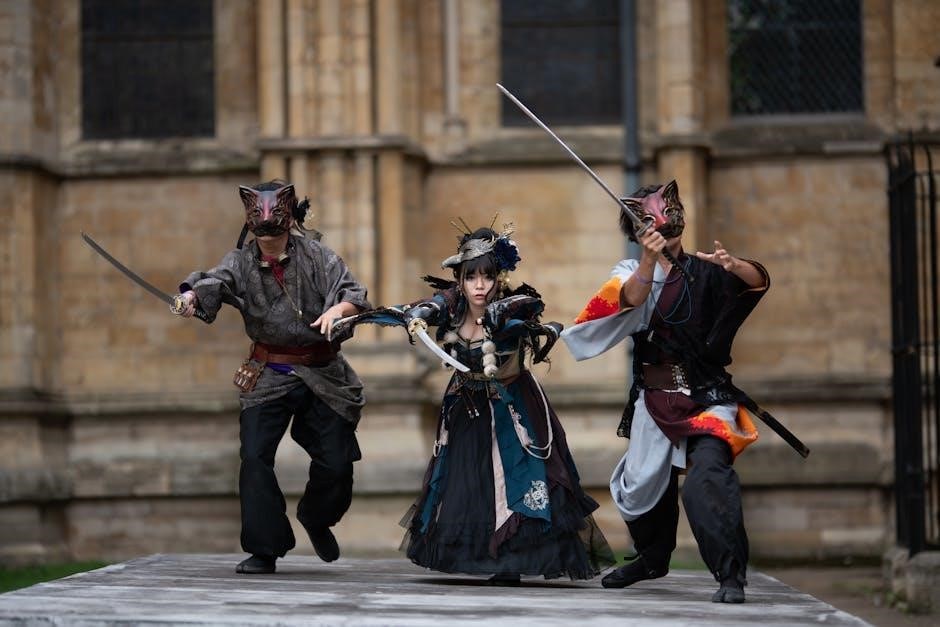
JRPGs are a massive genre, encompassing long-running franchises and offering diverse experiences, from epic 100-hour adventures to focused, shorter tales․
What Defines a JRPG?
JRPGs, or Japanese Role-Playing Games, are distinguished by several core elements that set them apart from their Western counterparts․ These games frequently emphasize narrative depth, often featuring complex storylines and character-driven plots․ While preferences vary, a strong storytelling component is nearly universal․
Combat systems are also a defining characteristic, historically leaning towards turn-based mechanics, though action RPGs are increasingly popular․ Worldbuilding and lore are typically extensive, creating immersive and detailed universes․ Music plays a crucial role, often being highly memorable and emotionally resonant․ Ultimately, JRPGs offer a unique blend of gameplay and narrative that appeals to a global audience․
Historical Roots of the JRPG Genre
JRPGs trace their origins back to the early days of tabletop role-playing games like Dungeons & Dragons, which gained popularity in Japan during the 1970s․ Early Japanese computer games, inspired by these tabletop experiences, began to emerge, laying the foundation for the genre․
Games like Wizardry and Ultima were influential, but Japanese developers soon began to innovate, introducing unique elements․ The 1980s saw the rise of seminal titles that established key JRPG conventions․ Final Fantasy (1987) and Dragon Quest (1986) became cornerstones, defining the genre’s aesthetic and gameplay for decades to come, shaping the landscape of Japanese gaming history․
Key Characteristics of JRPG Gameplay
JRPG gameplay is often distinguished by its emphasis on narrative depth and character development, alongside strategic combat․ While diverse, certain elements consistently appear․ Expect extensive world exploration, often with a focus on uncovering lore and completing side quests․ Storytelling is paramount, frequently featuring complex plots and emotionally resonant character arcs․
Combat systems vary, ranging from classic turn-based encounters – allowing for strategic planning – to more modern, real-time action RPG styles․ Progression typically involves leveling up characters, acquiring new skills, and equipping powerful gear․ Many JRPGs feature intricate crafting systems and party management, adding layers of strategic depth․
Turn-Based Combat Systems
Turn-based combat is a cornerstone of many classic JRPGs, prioritizing strategic thinking over reflexes․ Players carefully select actions for each character – attack, defend, use items, or employ special abilities – during their turn․ This allows for meticulous planning and exploitation of enemy weaknesses․

These systems often incorporate elements like elemental affinities, status effects, and limit breaks, adding tactical depth․ While seemingly slower-paced, turn-based combat can be incredibly engaging, demanding careful resource management and party composition․ It’s a hallmark of franchises like Dragon Quest and early Final Fantasy titles, offering a distinct and rewarding gameplay experience;
Real-Time Combat Systems (Action JRPGs)
Action JRPGs represent a significant evolution within the genre, shifting away from traditional turn-based mechanics․ These games emphasize direct control over characters in real-time, demanding skillful dodging, precise attacks, and strategic ability usage․ Combat becomes more dynamic and visceral, requiring quick reflexes and spatial awareness․
While retaining RPG elements like character progression and storytelling, action JRPGs often incorporate elements from action games․ Franchises like Final Fantasy XV and the Tales of series exemplify this trend․ This style appeals to players seeking a more immediate and engaging combat experience, blending RPG depth with action-packed gameplay․
Iconic JRPG Franchises
JRPGs boast several franchises that have profoundly shaped the genre and captivated players for decades․ Final Fantasy, with its groundbreaking narratives and evolving gameplay, remains a cornerstone, particularly Final Fantasy VII, a landmark title in gaming history․ Dragon Quest, known for its classic fantasy setting and charming aesthetic, offers a more traditional RPG experience․

The Persona series, a spin-off of the Shin Megami Tensei franchise, blends RPG mechanics with social simulation, creating a unique and compelling gameplay loop․ These franchises consistently deliver memorable characters, intricate storylines, and innovative gameplay, solidifying their place as JRPG icons․
Final Fantasy Series

Final Fantasy stands as a titan within the JRPG landscape, renowned for its consistently evolving narratives and innovative gameplay mechanics․ From its humble 8-bit beginnings to the stunning visuals of modern installments, the series has continually pushed boundaries․ Final Fantasy VII, released in 1997, is often cited as a pivotal moment, not just for the series, but for the RPG genre as a whole, impacting gaming culture profoundly․
Each mainline entry typically features a standalone story with unique characters and worlds, though recurring themes and motifs connect them․ The series’ willingness to explore mature themes and deliver emotionally resonant stories has cemented its enduring appeal․
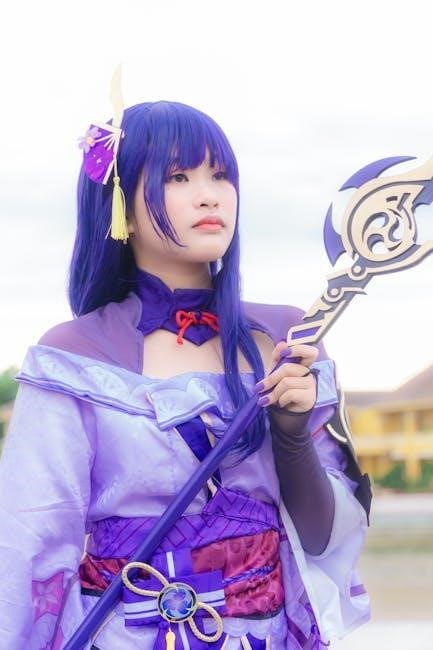
Dragon Quest Series
Dragon Quest represents a cornerstone of the JRPG genre, celebrated for its traditional approach and enduring charm․ Unlike Final Fantasy’s frequent reinventions, Dragon Quest maintains a consistent aesthetic and gameplay loop, often featuring Toriyama’s iconic character designs․ This consistency provides a comforting familiarity for long-time fans․
The series typically focuses on classic heroic narratives – saving the world from an encroaching darkness – delivered with a lighthearted tone and a strong emphasis on exploration and monster collecting․ While perhaps less globally recognized than Final Fantasy, Dragon Quest holds immense cultural significance in Japan and boasts a dedicated international following․
Persona Series
Persona, a spin-off of the Shin Megami Tensei series, distinguishes itself through its unique blend of JRPG combat, social simulation, and stylish presentation․ Players navigate high school life, building relationships (Social Links) that directly impact their combat abilities by summoning “Personas” – manifestations of their psyche․
The series tackles mature themes like societal pressures, trauma, and existentialism, often wrapped in captivating narratives with memorable characters․ Persona 5, in particular, achieved widespread critical acclaim and commercial success, popularizing the series globally with its vibrant art style and engaging gameplay․ It’s a modern JRPG staple․
The Importance of Storytelling in JRPGs
Storytelling is arguably the cornerstone of the JRPG experience․ Unlike some Western RPGs focused on player agency above all else, JRPGs frequently prioritize a meticulously crafted narrative, often exploring complex themes and emotional depth․ Many titles, like those in the Final Fantasy series, deliver sweeping epics with intricate worldbuilding and character arcs․
These narratives often delve into morality, loss, and the struggle against overwhelming odds․ The focus isn’t merely on what you do, but why you do it, fostering a strong emotional connection with the characters and the world․ JRPGs aim to immerse players in a compelling story, making the journey as important as the destination․
Character Development and Party Dynamics
Character development within JRPGs extends beyond simple stat increases․ Players often witness significant growth in their party members, uncovering personal histories, motivations, and internal conflicts throughout the adventure․ These characters aren’t just tools for combat; they’re individuals with relatable struggles and evolving personalities․
Party dynamics are crucial, fostering relationships and strategic synergy․ Characters frequently possess complementary skills and abilities, encouraging players to experiment with different team compositions․ The interplay between party members, through both story events and in-battle interactions, adds depth and emotional resonance to the overall experience, making each journey unique․
Worldbuilding and Lore in JRPGs
JRPGs are renowned for their intricate worldbuilding and deeply layered lore․ These games often present fantastical realms with unique histories, mythologies, and political systems․ Developers meticulously craft detailed environments, populated with diverse cultures, creatures, and settlements, inviting players to immerse themselves in a believable and captivating universe․
Lore isn’t merely background information; it’s integral to the narrative, influencing character motivations and driving the plot forward․ Uncovering ancient secrets, deciphering prophecies, and understanding the world’s past are often key components of the gameplay experience․ This dedication to worldbuilding elevates JRPGs beyond simple adventures, transforming them into epic sagas․
Music and Sound Design in JRPGs

JRPGs consistently deliver exceptional music and sound design, often considered hallmarks of the genre․ Composers create memorable soundtracks that evoke a wide range of emotions, from soaring orchestral pieces during epic battles to melancholic melodies accompanying poignant story moments․ These scores aren’t just background noise; they actively enhance the player’s emotional connection to the game․
Sound effects are equally crucial, bringing the game world to life with immersive audio cues․ The clashing of swords, the rustling of leaves, and the magical incantations all contribute to a rich and believable auditory experience․ Iconic JRPG themes often become instantly recognizable, cementing their place in gaming history․
The Evolution of JRPGs: From 8-bit to Modern Graphics
JRPGs have undergone a dramatic visual transformation since their inception․ Early titles, constrained by 8-bit hardware, relied on imaginative pixel art and limited color palettes to create compelling worlds․ As technology advanced, the 16-bit era brought increased detail and vibrant hues, paving the way for more complex character designs and environments․
The transition to 3D graphics in the PlayStation and Nintendo 64 generations revolutionized the genre, allowing for fully realized worlds and cinematic cutscenes; Modern JRPGs boast stunning visuals, utilizing cutting-edge rendering techniques and high-resolution textures․ Despite these advancements, many developers retain a stylistic flair reminiscent of their 2D roots․
JRPG Trends: ARPG Influence and Westernization
JRPGs are experiencing a notable shift towards Action RPG (ARPG) mechanics, influenced by the popularity of Western RPGs․ Traditionally known for turn-based combat, many modern JRPGs now feature real-time action systems, appealing to a broader audience accustomed to faster-paced gameplay․ This change is partly driven by the need to attract Western markets, where turn-based combat is less prevalent․
Furthermore, JRPGs are increasingly incorporating elements commonly found in Western RPGs, such as expansive open worlds, greater character customization, and branching narratives․ This “Westernization” reflects a strategic effort to expand the genre’s appeal and compete on a global scale, though some purists lament the loss of traditional JRPG elements․
Notable JRPGs on Different Platforms
PlayStation has long been a JRPG haven, boasting titles like the Final Fantasy VII Remake, Persona 5 Royal, and the Ys series, known for their stunning visuals and engaging stories․ Nintendo platforms offer classics such as Chrono Trigger, Xenoblade Chronicles, and the enduring Dragon Quest franchise, often emphasizing exploration and heartwarming narratives․
PC JRPG availability has expanded significantly, with ports of popular titles like Final Fantasy XIV and the Octopath Traveler series․ The PC platform also benefits from indie JRPGs and enhanced modding capabilities․ Each platform provides a unique experience, catering to diverse preferences within the genre’s expansive landscape․

PlayStation JRPGs
PlayStation consistently delivers a strong lineup of JRPGs, often showcasing graphical fidelity and cinematic storytelling․ The Final Fantasy series, particularly Final Fantasy VII Remake and XVI, are flagship titles, redefining the experience for a modern audience․ Persona, with Persona 5 Royal, has also found a massive following on PlayStation, blending social simulation with dungeon crawling․

Beyond these giants, the Ys series offers fast-paced action, while titles like Tales of Arise provide compelling narratives and dynamic combat․ PlayStation’s commitment to the genre ensures a steady stream of high-quality JRPGs for enthusiasts․
Nintendo JRPGs
Nintendo platforms are renowned for their classic and innovative JRPGs․ The Dragon Quest series, a cornerstone of the genre, consistently finds a home on Nintendo consoles, offering traditional turn-based gameplay and charming worlds․ Pokémon, while often categorized separately, shares many JRPG elements and remains a cultural phenomenon․
More recently, Xenoblade Chronicles has become a standout franchise, praised for its expansive environments and complex storylines․ Nintendo’s handhelds, like the Switch, also host excellent ports and indie JRPGs, providing a diverse library for players seeking adventure and compelling narratives․
PC JRPGs
PC gaming has become an increasingly important platform for JRPGs, offering accessibility and often enhanced graphical options․ Historically, many classic JRPGs received PC ports, expanding their reach to a wider audience․ Steam, in particular, has become a hub for both established franchises and indie developers creating innovative JRPG experiences․
Recent years have seen a surge in high-profile JRPG releases on PC, including remasters of beloved titles and new installments․ The platform’s flexibility allows for modding and customization, further enhancing the gameplay experience․ This growing availability makes PC a prime destination for JRPG enthusiasts;
The Appeal of JRPGs to a Global Audience
JRPGs resonate globally due to their compelling storytelling, often exploring universal themes of friendship, sacrifice, and overcoming adversity․ The genre’s emphasis on character development and intricate worldbuilding fosters deep emotional connections with players․ Unlike some Western RPGs, JRPGs frequently present a focused narrative experience, guiding players through a meticulously crafted plot․
Furthermore, the unique aesthetic and musical scores of JRPGs contribute to their distinct appeal․ The genre’s willingness to embrace fantastical elements and explore complex moral dilemmas attracts a diverse audience seeking immersive and thought-provoking gaming experiences․ This blend of artistry and engaging gameplay ensures lasting popularity․
JRPGs for Beginners: Where to Start
For newcomers, diving into the world of JRPGs can seem daunting given the genre’s vastness․ Final Fantasy VII Remake (PS4/PC) offers a modern entry point with stunning visuals and accessible gameplay․ Alternatively, Persona 5 Royal (PS4/PS5/PC/Switch) blends RPG mechanics with social simulation, providing a unique and engaging experience․
Dragon Quest XI S: Echoes of an Elusive Age – Definitive Edition (Switch/PS4/PC/Xbox) is a classic, turn-based JRPG ideal for those seeking a traditional experience․ Don’t be intimidated by length; many JRPGs offer rewarding experiences․ Start with shorter, focused titles to grasp the core mechanics before tackling epic adventures!

The Future of the JRPG Genre
The JRPG landscape is evolving, influenced by Action RPG (ARPG) mechanics and a need to appeal to Western markets․ Expect continued hybridization of turn-based and real-time combat, catering to diverse player preferences․ The success of titles like Final Fantasy VII Remake demonstrates the demand for modernized classics․
Further ARPG influence is likely, alongside increased focus on open-world exploration and compelling narratives․ Japanese developers are increasingly aware of global tastes, balancing tradition with innovation․ The genre’s future hinges on adapting to changing player expectations while retaining its unique storytelling and character-driven focus․
JRPG Communities and Resources
A thriving JRPG community exists online, offering a wealth of resources for newcomers and veterans alike․ Websites like GameFAQs and RPGamer provide reviews, guides, and forums for discussion․ Reddit’s r/JRPG is a popular hub for sharing news, opinions, and seeking recommendations․
Dedicated Discord servers cater to specific franchises, fostering close-knit communities․ YouTube channels and Twitch streamers offer gameplay footage, analysis, and let’s plays․ These platforms facilitate knowledge sharing and enhance the JRPG experience․ Exploring these resources unlocks deeper appreciation and connection within the passionate JRPG fanbase․
Comparing JRPGs to Western RPGs (WRPGs)
JRPGs and WRPGs differ significantly in design philosophy․ JRPGs typically emphasize narrative, character development, and linear storylines, often with pre-defined protagonists․ WRPGs prioritize player agency, open-world exploration, and character customization, allowing for greater freedom in shaping the narrative․
Combat systems also diverge; JRPGs frequently employ turn-based mechanics, while WRPGs lean towards real-time action or tactical approaches․ Storytelling in JRPGs often features grand, epic scales, whereas WRPGs may focus on more grounded, morally ambiguous tales․ Both genres offer unique strengths, appealing to different player preferences․