Understanding Iliotibial Band Syndrome (ITBS)
ITBS management isn’t standardized, lacking a strong evidence base, though rest, ITB stretching, and hip abductor strengthening are common approaches to rehabilitation.
What is the Iliotibial Band?
The iliotibial (IT) band is a thick band of fibrous tissue that runs along the outside of the thigh, extending from the hip to just below the knee. It’s not a muscle, but rather a strong connective tissue crucial for stabilizing the knee during running and other activities. While often perceived as the primary source of pain in ITBS, the band itself isn’t usually the problem.
Instead, issues arise from friction between the IT band and the bony prominence of the femur (thigh bone), particularly during repetitive bending and straightening of the knee. Inflammation and pain occur where the IT band rubs against the lateral epicondyle. Understanding this clarifies why stretching the IT band itself isn’t always the most effective solution; focusing on surrounding muscles is often more beneficial.
The IT band’s role is to assist in hip abduction and extension, and knee extension, making it vital for lower limb function.
Causes of ITBS
ITBS develops from repetitive friction between the iliotibial band and the lateral femoral epicondyle, often due to biomechanical issues. Several factors contribute, including rapid increases in training intensity or duration, inadequate warm-up, and improper running form. Weakness in hip abductors and gluteal muscles can lead to increased stress on the IT band, causing it to pull tighter.
Tightness in surrounding muscles, like the tensor fasciae latae (TFL) and calf muscles, also plays a significant role. Running on uneven surfaces or with worn-out shoes can exacerbate the problem. A lack of standardized treatment protocols means causes aren’t always clearly identified.
Essentially, ITBS arises when the body’s natural shock absorption mechanisms are overwhelmed, leading to inflammation and pain. Addressing these underlying causes is crucial for effective management and prevention.
Symptoms of ITBS
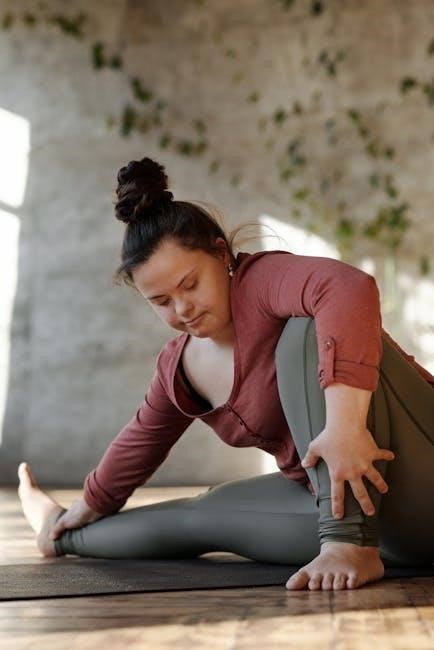
ITBS typically manifests as pain on the outside of the knee, often felt during running or cycling. Initially, discomfort may appear gradually during activity and subside with rest, but it can worsen over time, becoming constant even at rest. The pain is often described as a burning or stinging sensation.
Tenderness is usually present over the lateral femoral epicondyle – the bony prominence on the outside of the knee. Pain may radiate up the thigh along the IT band. Runners may experience a snapping sensation as the IT band rubs over the epicondyle.
Symptoms can significantly impact athletic performance and daily activities. Early intervention is key to prevent the condition from becoming chronic. Ignoring the pain can lead to increased inflammation and prolonged recovery times, hindering rehabilitation efforts.

ITBS Stretches: A Comprehensive Guide

ITB stretching is a mainstay of rehabilitation, though its individual efficacy isn’t fully understood; various modalities, like foam rolling, offer potential relief.
Foam Rolling for ITB Release
Foam rolling targets the ITB and surrounding musculature, aiming to release tension and improve flexibility. While directly rolling the ITB itself can be painful and potentially ineffective due to its dense structure, focusing on the muscles around it – like the tensor fasciae latae (TFL), quadriceps, and hamstrings – can yield positive results.
Begin by positioning yourself on the foam roller with the affected side facing up. Support your weight with your forearm and the opposite leg. Slowly roll from just above the hip to just below the knee, pausing on any tender spots for 20-30 seconds.
Remember, the goal isn’t to endure excruciating pain, but to apply moderate pressure to encourage muscle relaxation. Consistent foam rolling, combined with other stretching and strengthening exercises, can contribute to ITBS symptom management and prevention. It’s often recommended as part of a broader rehabilitation plan.
Standing ITB Stretch
The Standing ITB Stretch effectively targets the iliotibial band and surrounding tissues; Begin by standing with the affected leg crossed behind the unaffected leg. Reach your arm overhead and lean towards the opposite side, feeling a stretch along the outside of your hip and thigh.
To deepen the stretch, gently pull your crossed leg closer to your body with the opposite hand. Maintain a straight back and avoid twisting at the waist. Hold this position for 20-30 seconds, ensuring you feel a comfortable stretch, not pain.
Repeat this stretch 3-5 times on each side. This stretch, alongside others, aims to improve flexibility and reduce tension in the ITB complex, potentially alleviating ITBS symptoms. Remember to combine stretching with strengthening exercises for optimal results.

Wall Calf Stretch (with ITB Focus)
This Wall Calf Stretch variation subtly incorporates ITB engagement. Stand facing a wall, placing your hands on it for support. Extend the leg affected by ITBS straight back, keeping your heel firmly planted on the ground.
Turn your back foot slightly inward (pigeon-toed) as you slowly lean into the wall until you feel a stretch in the back of your calf and along the outer thigh. This internal rotation helps target the ITB more directly.
Hold the stretch for 15-30 seconds, repeating 3 times per leg. Focus on maintaining a straight back and controlled movements. This stretch addresses calf tightness, often contributing to ITBS, while simultaneously providing a gentle ITB release. Consistent performance can aid in symptom reduction.
Lying ITB Stretch
The Lying ITB Stretch offers a controlled and effective way to target the iliotibial band. Lie on your side with the affected leg extended straight. Bend your top leg and place the foot flat on the floor in front of your extended leg.
Gently reach across your body with your top hand and grasp your extended foot or ankle. Slowly pull the foot towards your chest, keeping your lower back stable and avoiding twisting. You should feel a stretch along the outer thigh, specifically targeting the ITB.
Hold this position for 20-30 seconds, ensuring a comfortable stretch—avoid pushing into pain. Repeat 3-5 times. This stretch is beneficial as it allows for a deeper, more isolated ITB lengthening, complementing other rehabilitation exercises.
Complementary Exercises for ITBS Rehabilitation
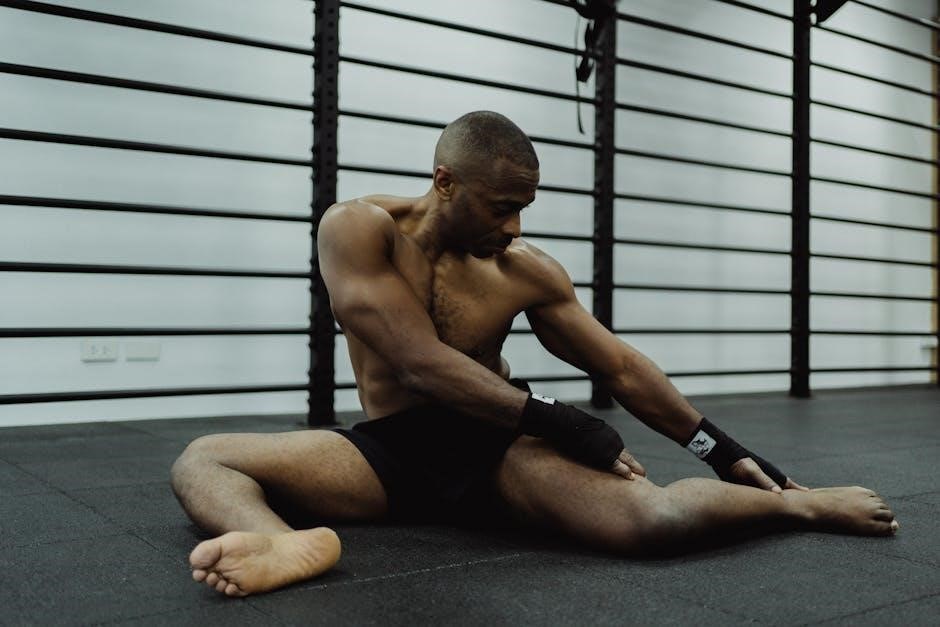
ITBS rehabilitation commonly includes hip abductor strengthening, gluteus maximus work, and hamstring stretching, alongside rest and ITB-focused stretches for optimal recovery.
Hip Abductor Strengthening
Hip abductor strengthening is a cornerstone of ITBS rehabilitation, addressing muscle imbalances that contribute to the syndrome. Weak hip abductors can lead to increased stress on the iliotibial band, exacerbating pain and hindering recovery. Effective exercises target the gluteus medius and minimus, crucial for stabilizing the pelvis during single-leg stance – a common movement in running and cycling.
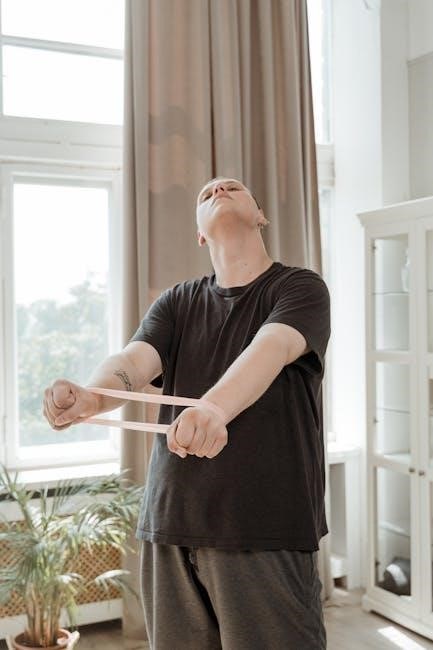
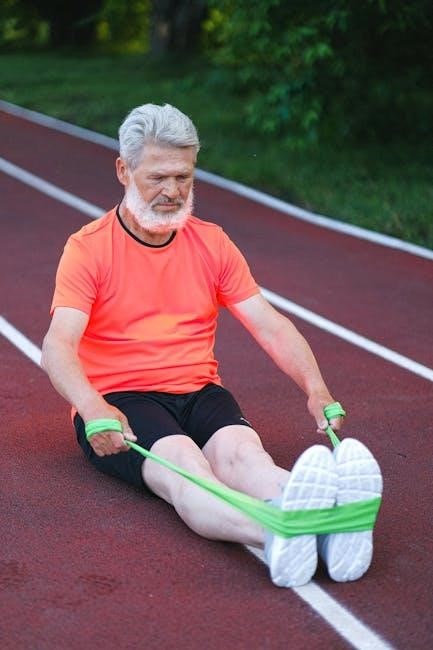
Examples include side-lying leg raises, clam shells (using a resistance band for added challenge), and standing hip abduction exercises. These movements should be performed with controlled form, focusing on engaging the abductor muscles throughout the range of motion. Progressive overload, gradually increasing resistance or repetitions, is essential for continued improvement; Strengthening these muscles helps restore proper biomechanics, reducing the load on the ITB and promoting long-term relief. Remember to consult with a physical therapist for personalized exercise recommendations.
Gluteus Maximus Strengthening
Gluteus maximus strengthening plays a vital, yet often overlooked, role in ITBS rehabilitation. While hip abductors receive significant attention, a strong gluteus maximus contributes to overall pelvic and lower limb stability, indirectly reducing stress on the iliotibial band. Weakness in this muscle can lead to altered movement patterns and increased strain on surrounding tissues.
Effective exercises include glute bridges (progressing to single-leg variations), squats, lunges, and hip thrusts. These exercises should emphasize full hip extension and controlled movement. Incorporating resistance bands or weights can further challenge the gluteus maximus. Strengthening this muscle improves power generation and enhances biomechanical efficiency, contributing to a more balanced and resilient lower limb. A comprehensive rehabilitation program should integrate gluteus maximus exercises alongside hip abductor and core strengthening for optimal results. Professional guidance ensures proper form and progression.
Hamstring Stretching
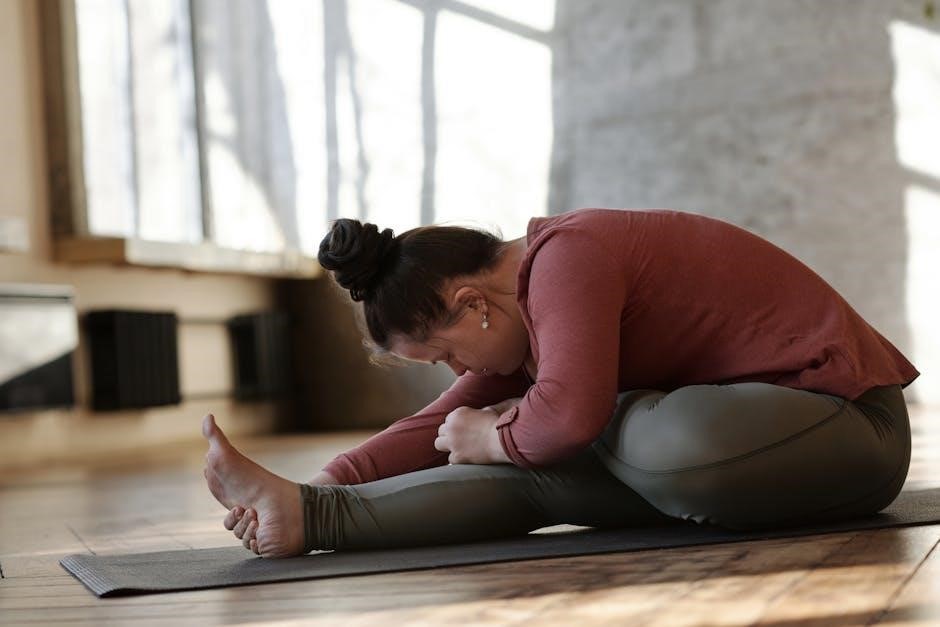
Hamstring flexibility is crucial in ITBS management, as tightness can contribute to altered biomechanics and increased stress on the iliotibial band. Restricted hamstring length can limit pelvic tilt and affect lower limb alignment, exacerbating ITBS symptoms. Addressing hamstring tightness helps restore optimal movement patterns and reduces compensatory strains.
Effective stretches include towel hamstring stretches (lying supine and pulling the leg up with a towel), standing hamstring stretches (keeping the back straight and bending at the hips), and seated hamstring stretches. Each stretch should be held for 30 seconds, repeated 3-5 times. It’s important to avoid bouncing and focus on a gentle, sustained stretch. Combining static stretching with dynamic warm-up exercises prepares the hamstrings for activity. Remember, stretching surrounding muscle groups can help prevent ITBS progression, offering relief and promoting recovery.
Advanced ITBS Management Techniques
Dry needling, shockwave therapy, and kinesiotaping show potential as complementary treatments for ITBS, alongside rest, stretching, and strengthening exercises;
Dry Needling for ITBS
Dry needling emerges as a potentially beneficial adjunct to traditional ITBS rehabilitation, though robust evidence remains limited. This technique involves inserting thin filiform needles into trigger points within muscles that may contribute to ITBS, such as the tensor fasciae latae (TFL), gluteus maximus, and vastus lateralis.
The aim isn’t to inject any substance, but rather to elicit a local twitch response, which can help release muscle tension and improve flexibility. By addressing these underlying muscular imbalances, dry needling may indirectly reduce stress on the iliotibial band.
While not a standalone cure, it can be a valuable component of a comprehensive treatment plan alongside stretching, strengthening, and activity modification. Further research is needed to definitively establish its efficacy and optimal application protocols for ITBS, but current findings suggest a promising role in symptom management.
Shockwave Therapy for ITBS
Shockwave therapy, also known as extracorporeal shockwave therapy (ESWT), is another emerging treatment modality for ITBS, showing some potential benefits according to recent studies. This non-invasive technique delivers high-energy sound waves to the affected tissues, aiming to stimulate healing and reduce pain.
It’s believed to work by increasing blood flow, promoting tissue regeneration, and disrupting pain pathways. Specifically, shockwave therapy can be applied to the ITB insertion point at the lateral femoral epicondyle, as well as to surrounding muscles like the TFL and gluteals.
While the exact mechanisms aren’t fully understood, it’s thought to address the underlying inflammation and muscle dysfunction contributing to ITBS. Like dry needling, it’s typically used as part of a broader rehabilitation program, complementing stretching, strengthening, and biomechanical correction. More extensive research is crucial to confirm its long-term effectiveness.
Kinesiotaping for ITBS Support
Kinesiotaping is a rehabilitative taping technique increasingly used in the management of ITBS, offering potential support and pain relief. This specialized elastic tape is applied to the skin, aiming to improve muscle function, reduce inflammation, and enhance proprioception – the body’s awareness of its position in space.
The application techniques vary, but commonly involve applying tape along the ITB, from the hip to the knee, with gentle stretch. This can help to offload the ITB, correct biomechanical imbalances, and facilitate optimal muscle activation. It’s also used to address related muscle imbalances in the TFL and gluteals.
Kinesiotaping isn’t a cure, but rather a supportive tool used alongside other treatments like stretching and strengthening. It can provide temporary pain relief and allow individuals to continue with modified activity. However, its effectiveness is still being investigated, and it’s best applied by a trained professional.
Preventing ITBS Recurrence
Activity modification, rest, and addressing improper running form are crucial for preventing ITBS return; consistent biomechanical correction is essential for long-term success.
Activity Modification & Rest
Initial management of Iliotibial Band Syndrome (ITBS) frequently involves a period of relative rest or, more accurately, activity modification. Complete cessation of activity is rarely necessary, and can even be detrimental, leading to deconditioning. Instead, a reduction in the volume and intensity of aggravating activities – particularly running or cycling – is recommended.
The goal is to allow inflammation to subside and prevent further irritation of the iliotibial band and surrounding tissues. This doesn’t mean complete inactivity; cross-training with low-impact exercises like swimming or elliptical training can maintain fitness without exacerbating symptoms.
It’s important to identify and avoid activities that consistently provoke pain. Gradually increasing activity levels, guided by symptom response, is key. Pushing through pain can prolong recovery and increase the risk of chronic ITBS. Listening to your body and respecting its limits are paramount during this phase.
Proper Running Form & Biomechanics
Addressing biomechanical factors is crucial in preventing ITBS recurrence. Poor running form can contribute significantly to the development of this syndrome. Common issues include overstriding, excessive pronation (inward rolling of the foot), and inadequate hip and core stability.
Focusing on a higher cadence (steps per minute) can reduce impact forces and minimize stress on the IT band. Strengthening hip abductors and gluteal muscles helps control pelvic and leg alignment, preventing excessive adduction (movement towards the midline) during running.
A gait analysis by a qualified professional can identify specific biomechanical flaws. Corrective exercises and cues, such as focusing on landing midfoot and maintaining a neutral pelvic position, can improve running efficiency and reduce IT band strain. Proper footwear, appropriate for foot type and running style, also plays a vital role.