Red Moon Guide 2023-2026
This guide details the captivating red moon events from 2023 to 2026! We’ll explore the October 2023 and December 2023 occurrences, alongside future eclipses,
and delve into the science and folklore surrounding these celestial sights.
What is a Red Moon?
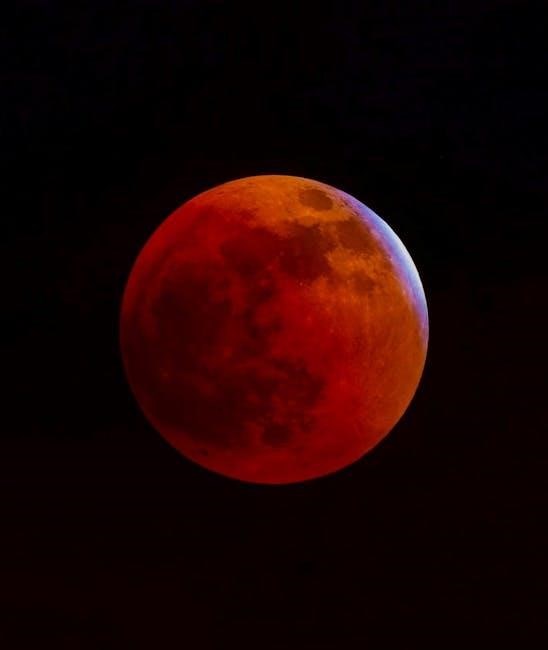
A “Red Moon” isn’t a specific lunar event, but rather a popular term for a total lunar eclipse where the Moon appears reddish or coppery. This striking coloration isn’t due to the Moon changing itself, but rather how Earth’s atmosphere interacts with sunlight during the eclipse.
During a total lunar eclipse, the Earth passes directly between the Sun and the Moon, casting a shadow on the lunar surface. However, some sunlight still reaches the Moon by bending through Earth’s atmosphere. This bending, called refraction, filters out most of the blue light, leaving behind the longer wavelengths of red and orange light.
The intensity of the red hue can vary greatly depending on the amount of dust and clouds in Earth’s atmosphere. A clearer atmosphere results in a brighter, more orange-red Moon, while a dustier or cloudier atmosphere can lead to a darker, more blood-red appearance. Events in 2023, like the December 29th occurrence, showcased this phenomenon vividly, captivating observers worldwide. The term “Blood Moon” is often used interchangeably with Red Moon, adding to the mystique surrounding these events.
The Science Behind the Red Color
The reddish hue of a lunar eclipse is a fascinating demonstration of atmospheric optics, specifically Rayleigh scattering and refraction. As sunlight passes through Earth’s atmosphere, shorter wavelengths – blues and violets – are scattered away by air molecules. This is why our sky appears blue during the day.
However, during a total lunar eclipse, the sunlight must travel through Earth’s entire atmosphere to reach the Moon. This extended journey filters out almost all the blue light, leaving primarily the longer wavelengths – reds and oranges – to reach the lunar surface. Think of it like a sunset or sunrise happening all around the Earth simultaneously, projecting that reddish glow onto the Moon.
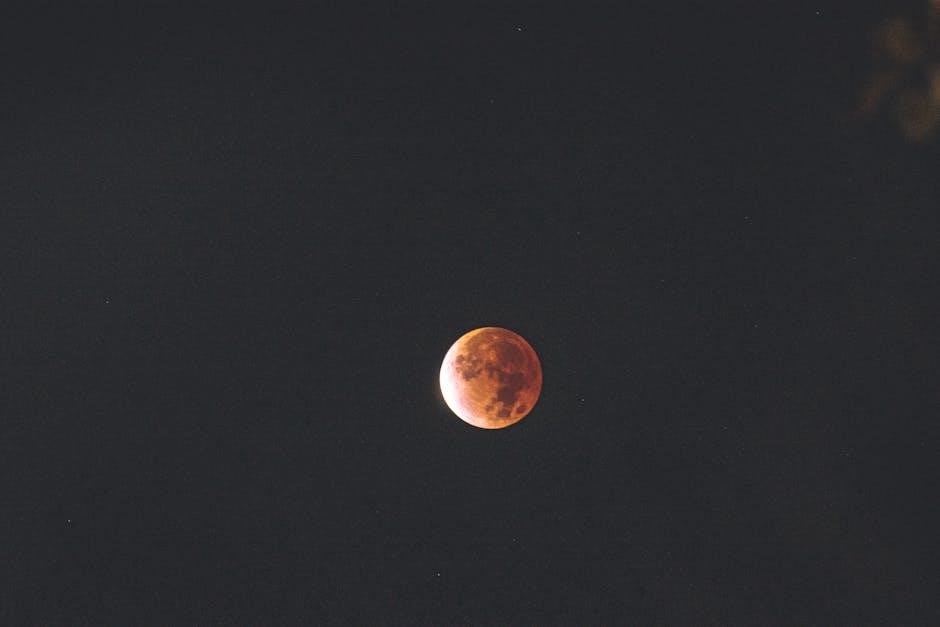
The amount of dust, water droplets, and cloud cover in the atmosphere significantly impacts the color. Volcanic eruptions, for example, can inject particles into the atmosphere, intensifying the red color. The 2023 events demonstrated varying shades, influenced by atmospheric conditions. The more particles present, the more blue light is scattered, and the deeper the red appears. This process explains why the Moon doesn’t simply disappear during a total eclipse, but instead takes on a dramatic, reddish glow.
Types of Lunar Eclipses Leading to Red Moons
Lunar eclipses occur when the Earth passes between the Sun and the Moon, casting a shadow on the lunar surface. Not all lunar eclipses result in a “red moon,” but they are the only type capable of producing this phenomenon. There are three primary types: total, partial, and penumbral.
Total lunar eclipses, where the entire Moon passes into Earth’s umbra (the darkest part of the shadow), are the most likely to create a noticeable red color. The degree of redness depends on atmospheric conditions, as previously discussed.
Partial lunar eclipses occur when only a portion of the Moon enters the umbra. These can still produce a reddish hue, but it’s typically less dramatic and concentrated on the eclipsed portion of the Moon. The October 28-29, 2023 event was a partial eclipse, showcasing a reddish tint.
Penumbral lunar eclipses happen when the Moon passes through Earth’s penumbra (the outer, lighter part of the shadow). These are often subtle and may not be noticeable to the naked eye, rarely producing any significant color change. Therefore, a truly vibrant “red moon” is almost exclusively linked to total or significant partial lunar eclipses.
Total Lunar Eclipse: The Primary Cause
A total lunar eclipse is the most spectacular event responsible for the striking “red moon” or “blood moon” appearance. This occurs when the Moon passes completely into the Earth’s umbra – the darkest part of our planet’s shadow; However, the Moon doesn’t disappear; instead, it often takes on a coppery-red or orange hue.
This coloration isn’t due to the Earth’s shadow blocking all sunlight. Instead, it’s a result of a phenomenon called Rayleigh scattering. As sunlight passes through Earth’s atmosphere, shorter wavelengths (blues and greens) are scattered away, while longer wavelengths (reds and oranges) are refracted, or bent, towards the Moon.
The amount of red light reaching the Moon depends on the state of Earth’s atmosphere. Clearer atmospheres allow more red light to pass through, resulting in a brighter, more vivid red moon. Volcanic eruptions or significant atmospheric dust can enhance the redness. The March 3, 2026 total lunar eclipse is anticipated to display this effect beautifully.
Essentially, the total lunar eclipse acts as a giant projector, displaying a refracted image of all the sunrises and sunsets happening around Earth onto the lunar surface.
Partial Lunar Eclipse and Reddish Hue
While total lunar eclipses create the most dramatic red moons, partial lunar eclipses can also produce a noticeable reddish hue. During a partial eclipse, only a portion of the Moon passes through Earth’s umbra. The degree of redness depends on how much of the Moon is covered by the shadow.
The portion of the Moon within the umbra will appear darker, often with a reddish or coppery tinge. This is because even a partial passage through the Earth’s shadow subjects that section of the Moon to Rayleigh scattering, similar to a total eclipse, though less intense.
The remaining, uneclipsed portion of the Moon will retain its normal brightness. This creates a striking contrast – a Moon that appears partially shadowed and colored, offering a unique visual experience. The October 28-29, 2023 event was a prime example of this, showcasing a noticeable, though less vibrant, reddish coloration.
Atmospheric conditions play a crucial role in the intensity of the reddish hue during a partial eclipse. Cleaner air results in a more subtle color, while dust or cloud cover can amplify the effect, making the red more pronounced.
The October 28-29, 2023 Partial Lunar Eclipse
The partial lunar eclipse of October 28-29, 2023, offered a captivating celestial display for observers across much of the globe. Unlike a total eclipse, the Moon wasn’t fully immersed in Earth’s umbra, resulting in a portion of the lunar surface appearing shadowed while the rest remained brightly lit.
The eclipse began with the penumbral phase, where the Moon passed through Earth’s faint outer shadow, often barely noticeable. The partial phase commenced as the umbra, the darker inner shadow, began to cover a portion of the Moon. This is when the reddish hue became visible.
Observers reported varying degrees of redness, dependent on their location and atmospheric conditions. Some witnessed a distinct coppery tone, while others saw a more subtle shading. The maximum eclipse occurred when the greatest portion of the Moon was within the umbra.
This event served as a beautiful prelude to the more dramatic red moon of December 2023, and provided an excellent opportunity for astrophotographers and casual skywatchers alike to observe and document a lunar eclipse.
Visibility of the October 2023 Eclipse
The October 28-29, 2023, partial lunar eclipse boasted remarkably broad visibility, making it accessible to a significant portion of the world’s population. North and South America experienced prime viewing opportunities, with the eclipse visible across the entirety of the Americas.
Eastern Asia, including Australia and New Zealand, also enjoyed excellent views of the event. However, visibility was limited or non-existent for observers in Africa and Europe, as the eclipse occurred during daylight hours for those regions.
Specific local timings varied depending on the observer’s longitude, with the eclipse’s start and peak times shifting accordingly. Online resources and astronomy apps provided precise eclipse timelines tailored to individual locations, aiding skywatchers in planning their observations.
Clear skies were, of course, crucial for optimal viewing. Light pollution in urban areas could diminish the visibility of the subtle reddish hue, making darker locations preferable. The widespread accessibility of this eclipse contributed to its popularity among both amateur and experienced astronomers.
The December 29, 2023 Red Moon Event
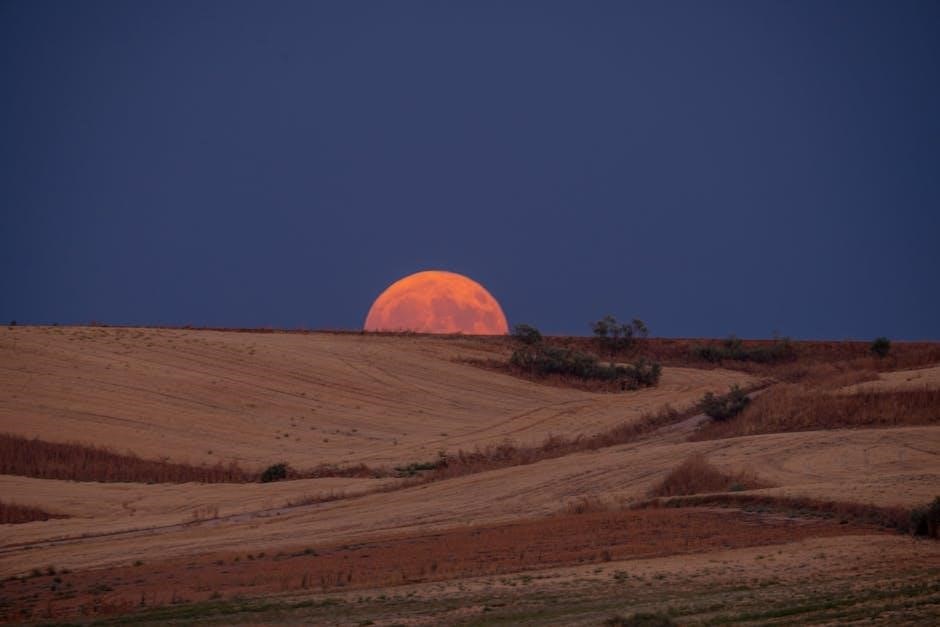
The December 29, 2023, lunar event captivated observers with a strikingly bright red hue, prompting widespread interest and numerous photographs shared online. While not a total lunar eclipse, the moon exhibited a vivid coloration that sparked curiosity about its cause.
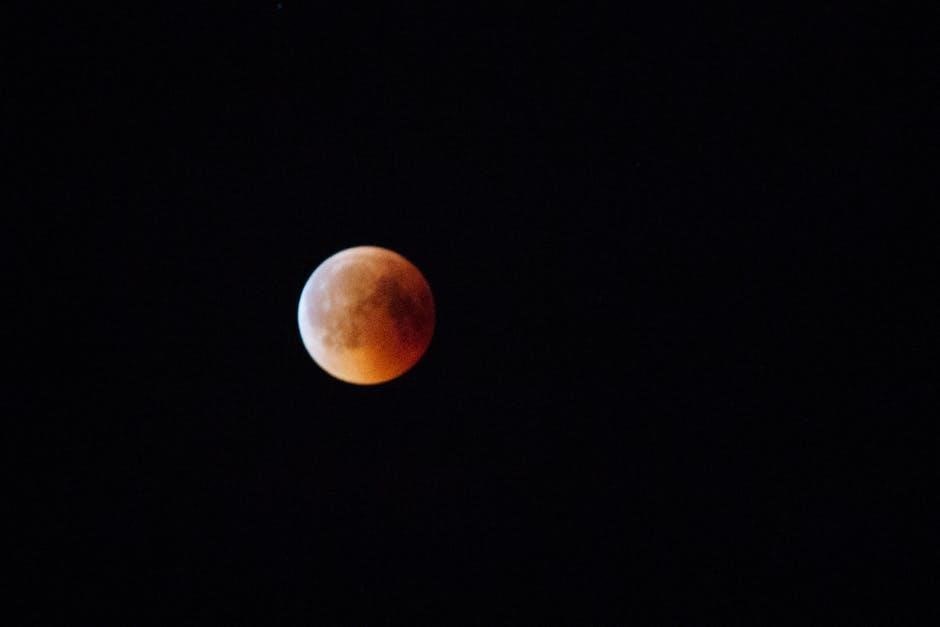
Reports and images circulated rapidly on social media, with many individuals noting the intensity of the red color and seeking explanations. The lack of a formally scheduled eclipse for that date initially led to some confusion, but atmospheric conditions proved to be the key factor.
The intensity of the red color was likely enhanced by particles in the Earth’s atmosphere, potentially from volcanic activity or wildfires. These particles scatter blue light, allowing more red light to reach the lunar surface, resulting in the observed coloration.
This event served as a reminder that red moons aren’t solely tied to total lunar eclipses, and atmospheric phenomena can also contribute to this spectacular sight. It highlighted the dynamic interplay between Earth’s atmosphere and celestial bodies.
Why Was the December 2023 Moon Red?
The remarkable redness of the December 29, 2023, moon wasn’t due to a total lunar eclipse, but rather a fascinating atmospheric effect. Unlike eclipses where Earth’s shadow causes the red hue, this event stemmed from the scattering of light.
Specifically, particles suspended in Earth’s atmosphere played a crucial role. These particles, potentially originating from volcanic eruptions or significant wildfire events, preferentially scatter shorter wavelengths of light – blues and greens – leaving the longer wavelengths, like red and orange, to dominate.
This phenomenon, known as Rayleigh scattering, is similar to why sunsets appear red. When sunlight travels through a greater amount of atmosphere, more blue light is scattered away, resulting in a reddish sky. The moon, in this case, acted as a reflector for this scattered red light.
The concentration and size of atmospheric particles significantly influence the intensity of the red color. A higher concentration or larger particles lead to more scattering and a more vibrant red moon. Therefore, the December 2023 event was a beautiful demonstration of atmospheric optics;
Blood Moon Superstitions and Folklore
Throughout history, red moons – often called “blood moons” – have inspired a wealth of superstitions and folklore across diverse cultures. The dramatic appearance naturally sparked interpretations linked to omens, prophecies, and the supernatural.
In many cultures, a blood moon signifies impending doom, disaster, or significant upheaval. Some ancient civilizations believed it signaled the anger of the gods or a disruption in the cosmic order. These beliefs often stemmed from the moon’s association with cycles, emotions, and the feminine divine.
Conversely, other traditions view blood moons as powerful and transformative. They can represent a time of endings and new beginnings, a period for releasing old patterns and embracing change. Some believe it amplifies psychic abilities and spiritual energy.
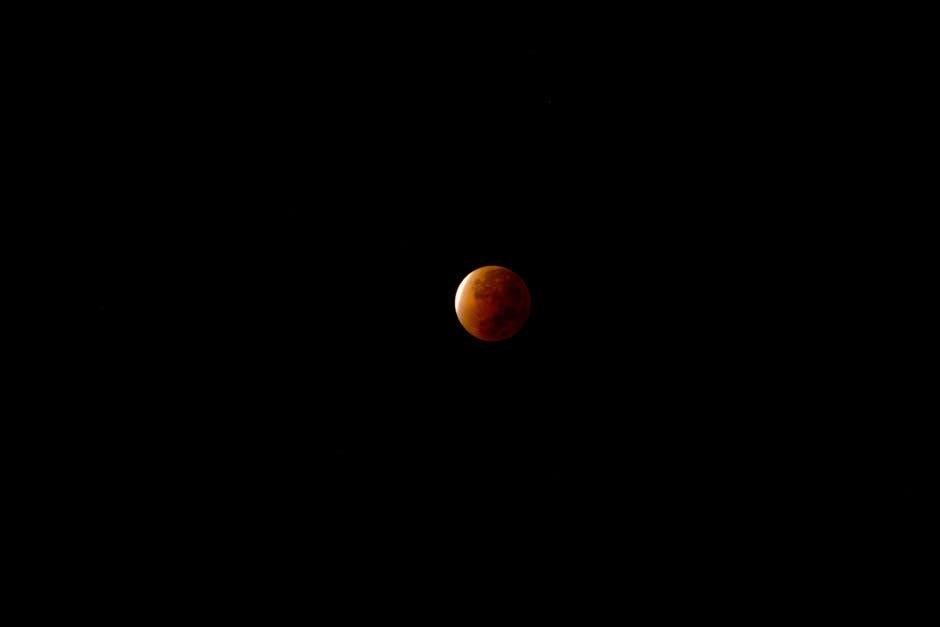
Folklore also connects blood moons to werewolves and other mythical creatures, reinforcing the idea of a time when the veil between worlds is thin. Modern interpretations often focus on emotional intensity and heightened intuition. Regardless of the specific belief, the blood moon continues to captivate and inspire awe.
Cultural Significance of Red Moons
Red moons hold profound cultural significance across the globe, deeply woven into the mythologies, religions, and traditions of numerous societies. Their striking appearance has consistently prompted interpretations beyond the scientific, often reflecting a culture’s worldview and beliefs.
In some Indigenous cultures of North America, a blood moon is seen as a powerful time for ceremonies and spiritual practices. It can signify a period of purification, renewal, or a connection to ancestral spirits. The color red itself often symbolizes life force and vitality.
Ancient Mesopotamian civilizations interpreted lunar eclipses, and thus red moons, as a threat to their king. They believed the eclipse targeted the ruler, requiring rituals to protect him from harm. Similarly, in some Asian cultures, a red moon was considered an ill omen for the emperor.
Hindu mythology associates lunar eclipses with the demon Rahu, who attempts to swallow the moon, causing it to turn red. This event is often followed by purification rituals. These diverse interpretations demonstrate the enduring power of the red moon as a cultural symbol.
Upcoming Lunar Eclipses & Potential Red Moons (2024-2026)
Looking ahead, several lunar eclipses offer opportunities to witness the spectacle of a potential red moon between 2024 and 2026. While not every eclipse guarantees a vibrant red hue, conditions can align for a stunning display.
In 2024, eclipse visibility varies greatly by location. Keep an eye on eclipse trackers for specific details relevant to your region. The intensity of the red color depends on atmospheric conditions – dust and cloud cover play a significant role.
2025 brings another chance for lunar eclipse viewing, with potential for reddish tones. Observing events throughout the year will provide opportunities to capture the beauty of these celestial events. Remember to check timings and visibility maps.
The highlight is undoubtedly the March 3, 2026, total lunar eclipse. This event promises a prolonged period of totality, increasing the likelihood of a deep, coppery-red moon. Preparation and planning are key to maximizing your viewing experience!
March 3, 2026: Total Lunar Eclipse Details
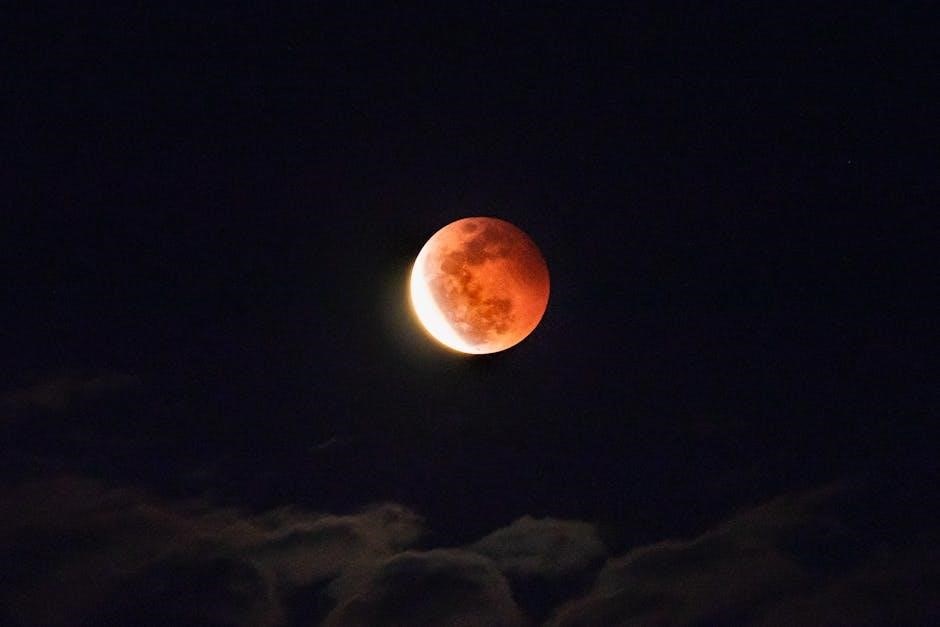
Mark your calendars for March 3, 2026, as a spectacular total lunar eclipse graces the night sky! The eclipse will unfold between approximately 6:04 PM and 7:03 PM, offering a prolonged viewing window for observers in favorable locations.
During totality, the Moon will often exhibit a captivating coppery or orange-red coloration. This phenomenon, often dubbed a “blood moon,” arises from the scattering of sunlight through Earth’s atmosphere. The exact shade of red can vary based on atmospheric conditions.
This eclipse is particularly noteworthy due to the extended duration of totality. This provides ample time for observation, photography, and simply appreciating the celestial display. It’s a prime opportunity for both seasoned astronomers and casual skywatchers.
Visibility will be widespread, but specific timings and the Moon’s altitude will differ depending on your geographic location. Consult eclipse maps and timelines to determine the best viewing opportunities from your area. Prepare for a truly unforgettable astronomical event!
Best Ways to View a Red Moon
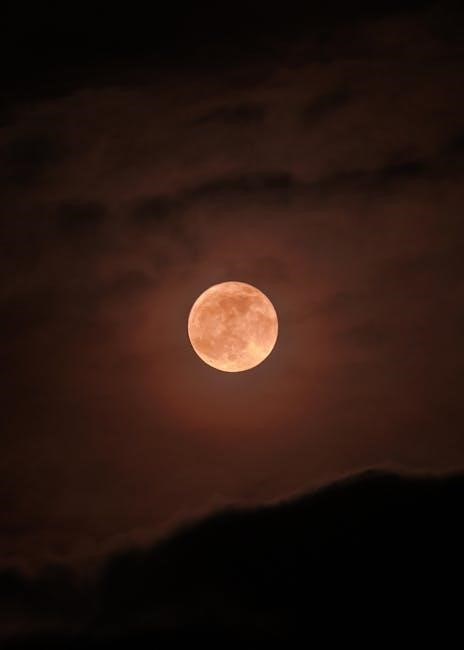
To fully appreciate a red moon, strategic planning is key! Find a location away from city lights, minimizing light pollution for optimal viewing. Rural areas or elevated positions offer the clearest skies. Check the weather forecast – clear skies are essential, naturally!
Allow your eyes to adjust to the darkness for at least 20-30 minutes. This enhances your ability to perceive the subtle reddish hues. Avoid looking directly at the moon through binoculars or a telescope initially, as it can be blinding.
Comfort is crucial! Bring a comfortable chair or blanket, and dress warmly, even in warmer months, as temperatures can drop at night. Sharing the experience with friends or family adds to the enjoyment.
Consider using a red-light flashlight to preserve your night vision while navigating or consulting star charts. Avoid white light, which disrupts your dark adaptation. Most importantly, be patient and enjoy the spectacle!
Photography Tips for Capturing a Red Moon
Photographing a red moon requires careful technique! Use a tripod for stability, crucial for long exposures. A narrow aperture (f/8 to f/11) will maximize sharpness. Set your ISO to a low value (100-400) to minimize noise, adjusting as needed.
Focusing can be tricky. Use manual focus and zoom in on the moon to achieve pinpoint sharpness. Experiment with exposure times – start with 1/125th of a second and adjust. Bracket your exposures (take several shots at different settings) to ensure you capture the perfect image.
Shoot in RAW format to retain maximum image data for post-processing. Consider using a remote shutter release to avoid camera shake. Don’t forget to include foreground elements for context and visual interest!
Post-processing is key. Adjust white balance, contrast, and saturation to enhance the red hues. Sharpening can bring out details, but avoid over-sharpening. Practice beforehand to refine your technique!
Equipment Needed for Red Moon Photography
Capturing a stunning red moon image requires specific gear! A DSLR or mirrorless camera with manual controls is essential. A telephoto lens with a focal length of at least 300mm is highly recommended – the longer, the better for detailed shots.
A sturdy tripod is non-negotiable, providing stability during long exposures. A remote shutter release prevents camera shake when triggering the shutter. Filters can enhance your images; a polarizing filter reduces glare, while a moon filter can reduce brightness.
Consider a camera bag to safely transport your equipment. Extra batteries and memory cards are crucial for extended shooting sessions. A lens cleaning kit keeps your optics pristine.
For advanced astrophotography, a star tracker can compensate for Earth’s rotation, allowing for even longer exposures and sharper results. Software for post-processing, like Adobe Lightroom or Photoshop, is also vital for refining your images and bringing out the red moon’s beauty.
Where to Find Eclipse Timelines and Maps
Accurate eclipse information is key to successful viewing and photography! Several reputable websites provide detailed timelines and visibility maps for lunar eclipses, including red moon events.
Timeanddate.com is an excellent resource, offering precise eclipse timings for specific locations, interactive maps, and detailed explanations. NASA’s eclipse website (eclipse.gsfc.nasa.gov) provides comprehensive data, including eclipse paths and scientific information.
EarthSky.org offers user-friendly eclipse guides, articles, and stunning visuals. They often include information on eclipse visibility for different regions. In-The-Sky.org provides customized eclipse calendars based on your location.
Mobile apps like SkyView Lite or Stellarium can help you locate the moon and predict eclipse timings in real-time. Remember to verify information from multiple sources to ensure accuracy. These resources will help you plan your red moon viewing experience effectively!
Resources for Further Information on Lunar Eclipses
Expanding your knowledge of lunar eclipses enhances your appreciation of these celestial events! Numerous resources offer in-depth information, from scientific explanations to historical perspectives.
NASA’s Goddard Space Flight Center (eclipse.gsfc.nasa.gov) is a primary source for detailed eclipse data, scientific papers, and educational materials. Sky & Telescope magazine (skyandtelescope.org) provides accessible articles, observing guides, and stunning astrophotography.
Space.com (space.com) offers news, articles, and videos covering all aspects of space exploration, including lunar eclipses. EarthSky.org (earthsky.org) delivers daily updates on astronomical events and provides clear explanations for beginners.
The Royal Astronomical Society (ras.org.uk) offers resources for professional and amateur astronomers. Consider exploring books on astronomy and lunar eclipses for a deeper understanding. These resources will empower you to become a knowledgeable observer of the night sky!